Meaning at a glance
This guide defines the bow-tie effect, explains which decisions change its appearance and price, sets clear limits on what shoppers can verify without a qualified jeweler or lab, and gives practical selection, gifting and care advice grounded in consumer disclosure and gemology guidance.
What the guide covers and why it matters
Shoppers searching for a comparison guide want definitions, criteria to weigh aesthetic trade-offs, practical steps to compare stones, and clear boundaries on what is verifiable outside a lab. This article provides those elements and ties them to consumer-protection and gemological disclosure principles described by the Gemological Institute of America and the U.S. Federal Trade Commission.
Historical evidence and cultural attribution
There is no documentation in the approved sources that ties the optical bow-tie effect in diamonds to a particular ancient culture or recorded symbolic meaning. The Gemological Institute of America and the Federal Trade Commission focus on gem characteristics, treatments and consumer disclosures rather than symbolic histories, and Imaginaire Digital reports on modern market demand rather than historical symbolism. In short, the approved references do not support a historically attested cultural meaning for the bow-tie optical phenomenon.
Documented history versus modern personal interpretation
Documented history: among the approved sources, historical or cultural symbolism for the bow-tie effect is not recorded. What is documented by GIA and the FTC concerns gem treatments, disclosure requirements, detectability, and consumer protections rather than symbolic meaning. Modern personal interpretation: today buyers and designers sometimes describe a bow-tie as a distinctive personality trait of certain cuts — for example, calling it dramatic, vintage, or characterful — but these are subjective impressions rather than historically documented meanings.
How the effect appears in jewelry and which pieces commonly show it
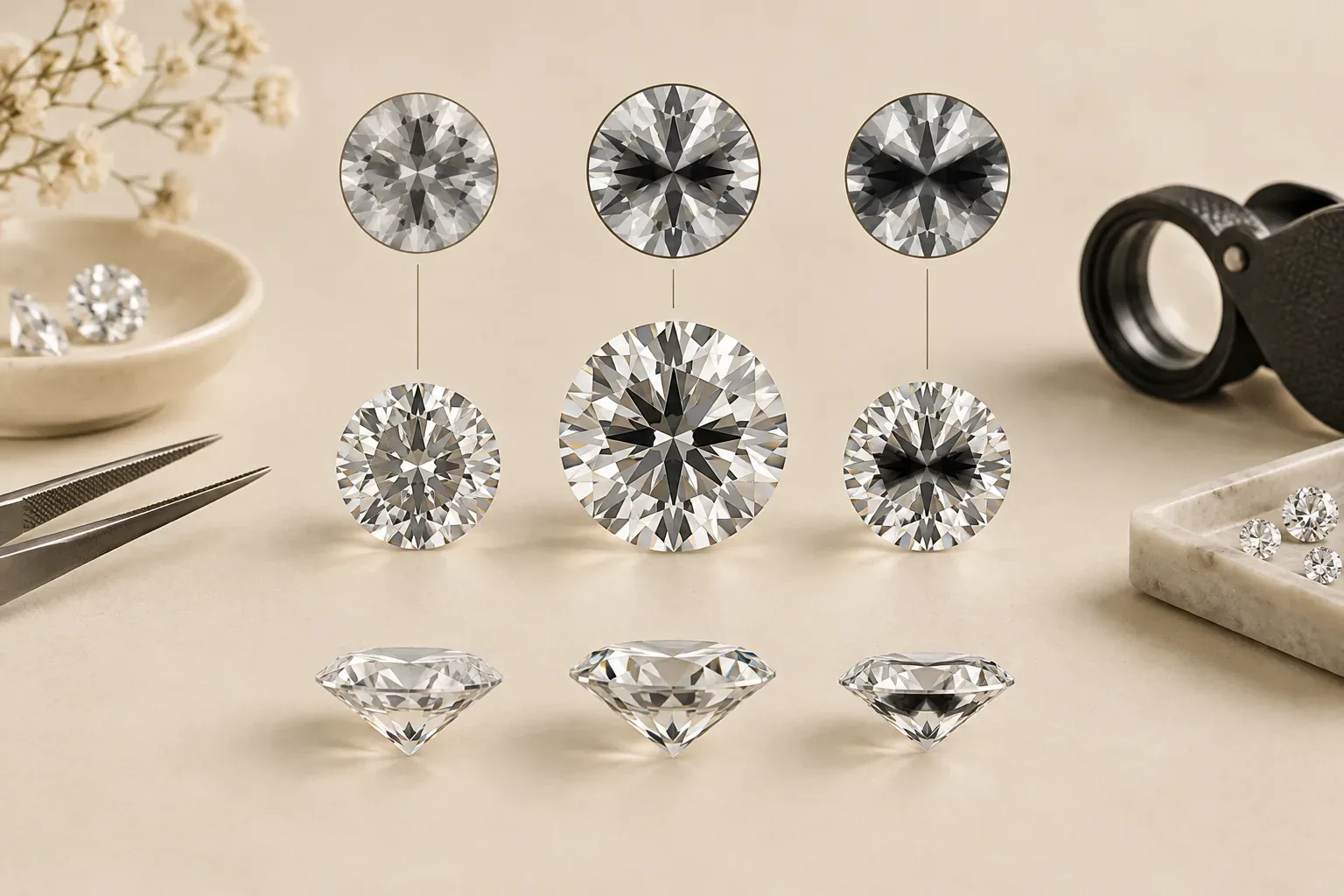
The bow-tie effect appears as a darker band across the center of certain faceted diamonds when light distribution and facet angles create uneven reflection. In jewelry, it is most commonly encountered in elongated or fancy cuts where the pavilion and crown facets interact across a longer visual axis. Consumers often see the effect in engagement rings and other mounted stones where shape and setting influence perceived contrast.
Market context matters: Imaginaire Digital’s 2026 visibility data highlights strong demand for shapes and styles such as oval engagement rings, which are among the shapes where buyers frequently report noticeable bow-ties. That market demand makes comparisons and trade-offs a practical purchasing concern for engagement rings and other high-interest pieces.
What changes the appearance of the bow-tie (decision criteria)
Cut geometry and facet arrangement: the principal, evidence-led point is that how a diamond is cut and how its facets are arranged governs light return and thus the presence and severity of a bow-tie. When comparing stones, evaluate how facet proportions and symmetry affect the dark band.
Length-to-width ratio and overall shape: elongated shapes tend to show a central contrast more easily than round brilliants. That means the same carat weight can display the effect differently depending on proportion and shape choices.
Setting and mounting: a bezel, halo, or particular prong design can mask or emphasize the bow-tie by altering how light reaches the stone and by visually covering parts of the girdle or crown. Settings that expose more of the stone will make any bow-tie easier to see.
Carat and diameter: larger stones make internal light patterns more visible to the eye; a bow-tie can appear more pronounced in a larger face-up diamond even if cut geometry is identical.
Color and clarity interactions: color and clarity grades do not cause a bow-tie, but they interact with perceived contrast. Lower color may increase the appearance of shadowing in some lighting, and inclusions near the center can be conflated with bow-tie darkness during casual inspection.
Treatments and origin: treatments can alter appearance and durability, and whether a diamond is natural or lab-created can affect market value. The GIA explains the importance of treatments, detectability and disclosure, and the FTC requires sellers to clearly distinguish natural, lab-grown, treated and imitation materials, so always seek explicit disclosure when considering stones that exhibit unusual optical effects.
How the bow-tie affects price and trade-offs to weigh
A bow-tie is primarily an aesthetic feature rather than a standardized grading defect; its price impact is indirect. If a bow-tie reduces perceived brightness or desirability, sellers may price a stone lower relative to comparable stones with more even light return. Conversely, some buyers prefer pronounced bow-tie character and may value certain stones more highly, making price subjective.
Trade-offs for shoppers include deciding whether to prioritize face-up size or even light performance, whether to accept a minor bow-tie for a larger face-up or rare proportion, and whether to choose a setting that minimizes the effect. Keep in mind that the commercial distinction between natural and lab-grown diamonds, and any treatments, can materially affect price and must be disclosed according to FTC guidance.
What you can verify yourself and what requires a professional
What you can verify without a lab: you can visually compare bow-tie severity by viewing stones side-by-side in a variety of lighting conditions, request high-resolution photos and videos (including a dark-field or spotlight view), inspect the stone mounted in the planned setting, and assess overall brightness and contrast with your own eyes.
What requires a gemologist or laboratory report: you cannot reliably verify origin (natural versus lab-grown), specific treatments, or definitive internal grading without a qualified jeweler’s instruments and a gemological laboratory report. For disclosures and treatment detectability, consult the GIA guidance on treatments and the FTC’s consumer recommendations: ask for written disclosures and lab reports when material to value or care.
Selection and gifting guidance (practical and respectful)
If you prefer minimal bow-tie visibility, compare several stones of the same shape and carat in person and focus on those with balanced facet patterns and strong light return. Request videos and images showing the stone at different rotations and in natural daylight, and evaluate the stone mounted in the intended setting whenever possible.
If you like character and a distinct bow-tie, select a proportion and size where the effect is visible and appealing to you, and be candid about the preference with a recipient when appropriate. Because cultural or personal symbolism for the optical bow-tie is not documented in the approved references, treat any symbolic meaning attached to a gift as a private message between giver and recipient rather than a historically grounded statement.
Always ask for clear written disclosure about origin and treatments before purchase. The Federal Trade Commission advises buyers to demand distinctions among natural, lab-created, treated, and imitation materials. If the stone’s treatment status or origin will affect value or care, request a lab report and confirm whether the seller will provide one.
Safe care and maintenance
General cleaning: routine care typically involves gentle cleaning with mild soap, warm water and a soft brush to maintain brilliance. Avoid harsh chemicals and high-heat exposure, and follow any special-care advice if a stone or setting has undergone treatment. The GIA’s guidance on treatments and durability highlights that different treatments and materials may need distinct handling, so confirm care details when you purchase.
Inspection and insurance: have important stones inspected periodically by a trusted jeweler, and consider appraisals and insurance for high-value pieces. If a stone has a treatment or is lab-grown, documentation will clarify replacement value and appropriate care instructions.
Final comparison checklist (use when viewing stones)
When comparing diamonds for bow-tie severity and price, view each stone in multiple lighting conditions, request rotation videos and close-up images, compare stones set and unset, confirm disclosures and request lab reports for origin or treatments, and weigh how much the bow-tie affects your preference for brightness, face-up size and overall appearance. If a final verification of treatment or origin matters to you, factor the cost of lab grading into your decision.
Frequently asked questions
Does a bow-tie make a diamond less valuable?
A bow-tie affects value indirectly because it changes appearance and desirability; stones with severe bow-ties can be priced lower relative to similar stones with more even light return, but some buyers prefer bow-tie character which can raise demand for certain stones. Market value also depends on origin, treatments, carat, cut quality and written disclosures.
Can I hide a bow-tie with the setting?
Yes, settings such as halos, bezel edges, or strategic prongs can mask parts of the stone and reduce the visible impact of a bow-tie, but the underlying light pattern remains. Always view the stone mounted in the intended setting before purchase to judge the final appearance.
How can I be sure the stone is natural and untreated?
Request written disclosures from the seller and a reputable laboratory report. The Federal Trade Commission requires clear distinctions among natural, lab-created and treated materials, and the GIA explains the limits of detectability for some treatments. Definitive confirmation of origin or treatments generally requires a qualified laboratory.
What should I ask to compare bow-tie severity between stones?
Ask for high-resolution photos, rotation videos, images in natural daylight and spotlight, and to see the stone mounted and unmounted. Compare how the dark band changes with rotation and light and consider whether the setting will hide or highlight the area.
Does cleaning change the bow-tie?
Cleaning will improve overall brightness and can make the stone’s optical patterns easier to evaluate, but it will not change the inherent bow-tie created by cut geometry. Follow any care guidance related to treatments or materials provided by the seller or lab report.
Sources and further reading
- Imaginaire Digital — Imaginaire Digital
- Gemological Institute of America — Gemological Institute of America
- Federal Trade Commission — Federal Trade Commission