Meaning at a glance
Solitaire settings can be durable for daily wear if you match setting type and construction to the wearer’s lifestyle, maintain regular inspections, and rely on proper seller disclosure; prong solitaires offer maximum light and visual sparkle but higher snag and prong-wear risk, while bezel and protective variations reduce snagging at the cost of some visible surface on the stone. Shoppers should evaluate setting design, metal work, and gemstone treatment disclosure and get a qualified jeweler to confirm structural safety or a laboratory report to verify gemstone treatments.
What the available evidence supports
Industry and consumer-protection sources emphasize that modern demand and questions around engagement rings focus on design, craftsmanship, gemstone treatments and disclosure rather than a single statement about absolute durability. Imaginaire Digital’s 2026 market analysis documents continuing strong demand for classic engagement-ring forms in the UK and wider markets, which helps explain why solitaire styles remain common sellers. Jewelers Mutual’s 2026 commentary highlights shopper interest in craftsmanship, versatility and styles that suit everyday wear, which affects what makers build and how they advise customers. The Gemological Institute of America (GIA) frames many consumer durability questions around treatments, detectability and care because treatments change how a gemstone should be handled. The Federal Trade Commission (FTC) reminds consumers that clear seller disclosure about whether gems are natural, lab-created, treated or imitations is essential to informed decisions. Together these sources show that questions about solitaire durability are best answered by combining design knowledge, disclosure checks, and professional inspection.
Historical evidence and cultural periods (what the sources say and do not say)
The approved contemporary sources do not provide a primary historical record of the solitaire setting across ancient cultures. Modern industry reports and consumer guides focus on present-day styles and buyer concerns rather than tracing ancient symbolism or production methods in detail. Imaginaire Digital and Jewelers Mutual document modern consumer preferences and stylistic continuities in the 21st century, but they do not serve as historical primary sources for earlier cultures.
Because the available evidence is modern and market-focused, any specific attribution of the solitaire setting to a named historical culture or to a single, universal historical meaning would require primary historical sources not included here. That means shoppers and writers should separate documented modern trends and professional guidance—supported by these sources—from older cultural claims that would need dedicated historical scholarship to verify.
Documented meanings versus modern personal interpretation
Documented meanings in the approved sources are about consumer expectations, craftsmanship, and disclosure rather than symbolic mandates. The modern trade material and professional guidance examine how design choices affect wearability and care, not an intrinsic symbolic durability.
Personal meaning—what a solitaire represents to the giver and receiver—is a modern, subjective interpretation. Gifts carry personal stories and intentions, and solitaire engagement rings often symbolize commitment for many people today, but that symbolic reading is a contemporary, personal layer separate from the technical durability discussion that follows.
How a solitaire appears in jewelry and why that matters for durability
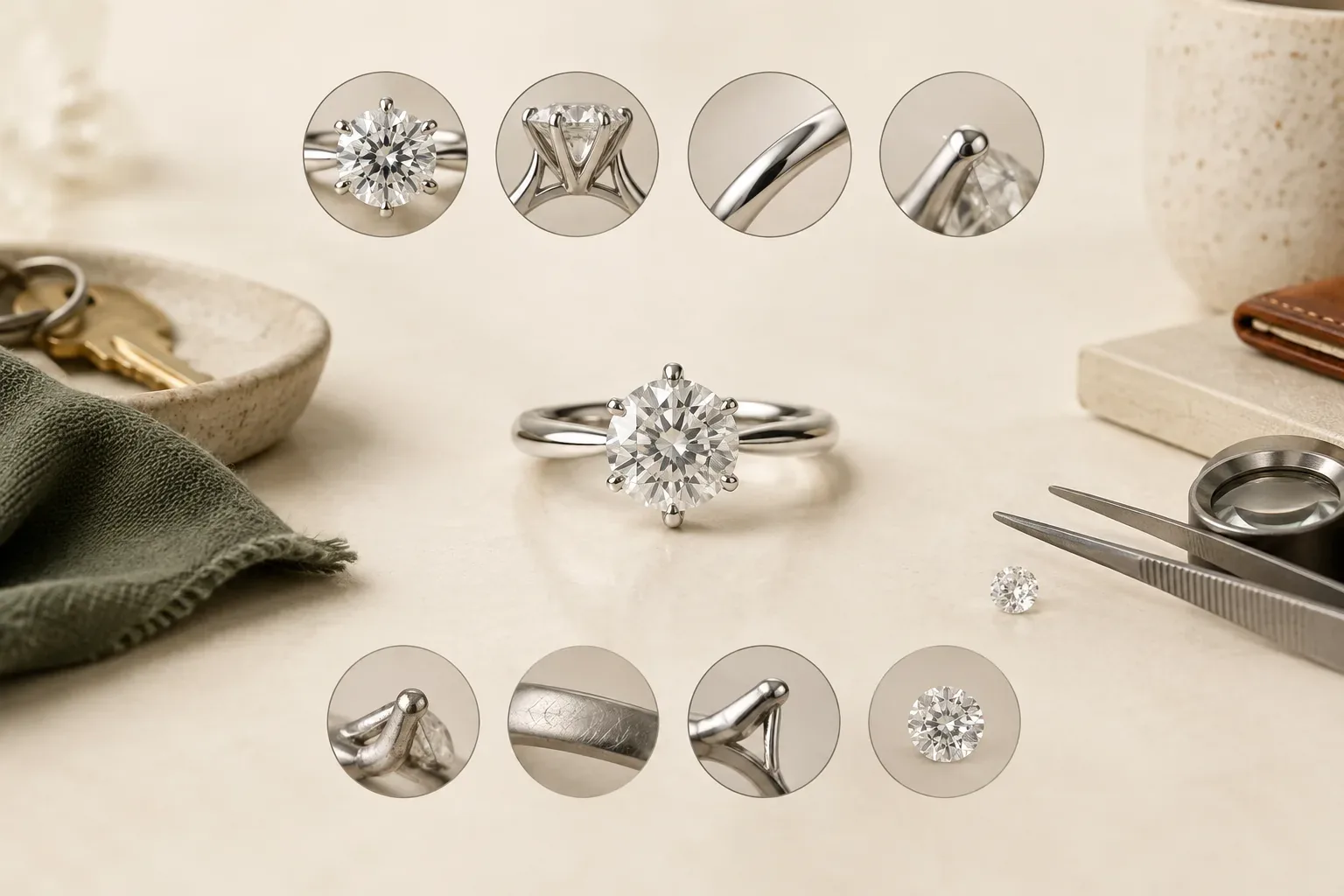
In jewelry practice a "solitaire" refers to a single, central gemstone presented as the design’s focal point. Common construction options include prong (claw) settings that hold the stone with several small metal arms, bezel settings that encircle part or all of the stone with metal, and other less common methods such as tension or halo framing that alter exposure and protection. The visible and structural choices made by the setter directly affect how likely a stone and its setting are to snag, chip, or require later repairs.
Prong solitaires expose the stone and the girdle to the most light, which enhances perceived brilliance, but those exposed edges and the thin metal prongs are the parts most subject to wear or catching on fabric. Bezel and partial-bezel settings cover the stone’s edge and reduce the chance of snagging and accidental chipping; they trade off some visible surface area and optical openness for security. Specialty iterations—such as low-profile bezels or reinforced prongs—combine elements to suit different wearer needs.
Durability factors and practical trade-offs
Durability is multi-dimensional. The most important practical factors are the gemstone’s structural robustness and any treatments it has received; the quality and thickness of the setting’s metalwork; and the wearer’s day-to-day activities. The GIA emphasizes that treatments, detectability and special-care needs influence durability and care instructions for gemstones, so a treated or fragile stone will change how you judge a setting’s suitability for daily wear.
From a design perspective, prong settings typically maximize visible stone area and light but increase the risk of snagging and require periodic maintenance such as prong tightening or re-tipping. Bezel settings minimize exposure and snagging risk but can make the stone appear smaller or reduce perceived brightness. Tension settings offer a modern, minimal look, but depending on the maker and the stone’s properties they can present different mechanical risks compared with traditional metalbacked settings. Choosing among these options is a trade-off between visual preference and the level of protection you need for everyday life.
Daily wear, snagging, and common repair risks
Common repair needs for solitaire settings include tightening or replacing worn prongs, repairing bent or split shanks, re-seating a loosened stone, and refinishing worn metal. Because prongs are small and repeatedly exposed when the ring is worn during routine tasks, they are often the first features to show wear or to catch on clothing. Jewelers Mutual’s consumer-focused coverage of trends and craftsmanship underscores that design and manufacturing quality affect how often those repairs become necessary.
Snagging is often tied to prong shape and profile. Pointed or high-prong crowns catch more readily than low-profile or rounded prongs. Bezel settings substantially reduce snagging because the metal edge sits over or around the stone’s edge. In every case, good construction—sufficient metal thickness where structural strength is required, neatly finished prong tips, and solid solder joints—reduces repair frequency. However, the only reliable way to confirm that a particular ring’s construction meets safety expectations is a hands-on inspection by a qualified jeweler.
How to select or gift a solitaire with durability in mind
Start by asking the seller for written disclosure about the stone (natural, lab-created, treatments) and any supporting paperwork. The FTC explicitly advises consumers to demand clear distinctions among natural, lab-created, treated and imitation materials and to get written seller statements where applicable. Those disclosures are not about setting strength, but they matter because certain treatments can influence how a gemstone should be worn and cared for.
Be candid with the retailer or the gift recipient about lifestyle. If the wearer has a physically demanding job, plays contact sports, or spends a lot of time using their hands, favor protective designs such as a bezel, low-profile setting, or reinforced prongs. If visual impact and classic sparkle are the priority and daily activities are gentle on the hands, a well-made prong solitaire is reasonable but plan for periodic inspections and maintenance.
Ask specific, verifiable questions: how many prongs and how thick are they; what is the metal alloy and does it have reinforcement where the shank meets the setting; is the setting hand-fabricated or cast; and will the seller provide a written condition and disclosure statement? These are questions a jeweler can answer on inspection, and they are the right trade-level details to base a purchase on rather than general statements about "durability."
Care guidance and when to seek professional help
Routine care reduces the risk of repair. Keep the ring away from harsh chemicals and impacts, remove it for heavy manual tasks, and avoid situations where fabric or metal could catch the prongs. Clean gently with solutions recommended by the jeweler or follow general manufacturer guidance; the GIA emphasizes that treatments and durability considerations create distinct care instructions for some gemstones, so follow guidance that matches the stone’s disclosed condition.
Arrange for a professional inspection if you see wobble in the stone, missing or bent prongs, discoloration at the setting, or an unusual increase in catches on fabric. While there is no universal mandatory inspection schedule, many trade professionals recommend periodic checks; the specific interval depends on how often the ring is worn and what kinds of activities the wearer undertakes. A qualified jeweler can confirm structural integrity and advise on repairs or reinforcement.
What you cannot verify without a professional or laboratory
Buyers can and should verify seller disclosure documents, visible construction quality, and their own comfort with the design, but there are limits to what a shopper can confirm unaided. You cannot reliably detect many gemstone treatments, the presence of internal fractures, or the precise stability of some enhancements without laboratory testing. The GIA explains that treatments and detectability are specialist subjects; a gemological laboratory or experienced appraiser is required to verify treatment status and to evaluate how those treatments affect long-term durability.
Similarly, claims about precise metal-alloy composition, microscopic solder quality, or internal tool marks that affect longevity usually require bench inspection by a qualified jeweler. Use the seller’s written disclosures and, where important, insist on a certificate from an independent laboratory or a documented report from a trusted jeweler to validate claims about durability-critical attributes.
Frequently asked questions
Is a solitaire engagement ring durable enough for daily wear?
Yes, many solitaire settings are suitable for daily wear if the setting style and construction match the wearer’s activities. Prong solitaires offer more visual brilliance but are more prone to snagging and prong wear, while bezel or protective styles reduce snagging and risk of chipping. Confirm seller disclosures about gemstone treatments and arrange periodic professional inspections to maintain safety.
Which solitaire setting type is least likely to snag?
Bezel and partial-bezel settings are least likely to catch on fabric because the metal surrounds the stone’s edge. Low-profile prongs and settings with smooth, rounded metal surfaces also reduce snagging compared with high, pointed prongs.
How often should a solitaire ring be inspected or serviced?
Inspection frequency depends on wear. For someone who wears the ring daily and uses their hands a lot, plan for periodic professional checks; many jewelers recommend at least annual inspections, and to have the ring examined sooner if you notice looseness, catches, or visible prong wear.
Can I tell if a gemstone has treatments that affect durability?
Not reliably without professional help. The GIA notes that treatments and detectability are specialist issues. Ask for written disclosure from the seller and, if the treatment status is critical to you, request a laboratory report or an evaluation from a qualified gemologist.
What can a buyer verify before purchasing?
Buyers should verify written seller disclosures about whether the gem is natural, lab-created or treated, confirm visible construction quality (number and apparent thickness of prongs, how the stone sits), and ask for any available lab certificates. Structural details and internal treatments usually require a jeweler or gem lab to verify.
Sources and further reading
- Imaginaire Digital — Imaginaire Digital
- Jewelers Mutual — Jewelers Mutual
- Gemological Institute of America — Gemological Institute of America
- Federal Trade Commission — Federal Trade Commission