Meaning at a glance
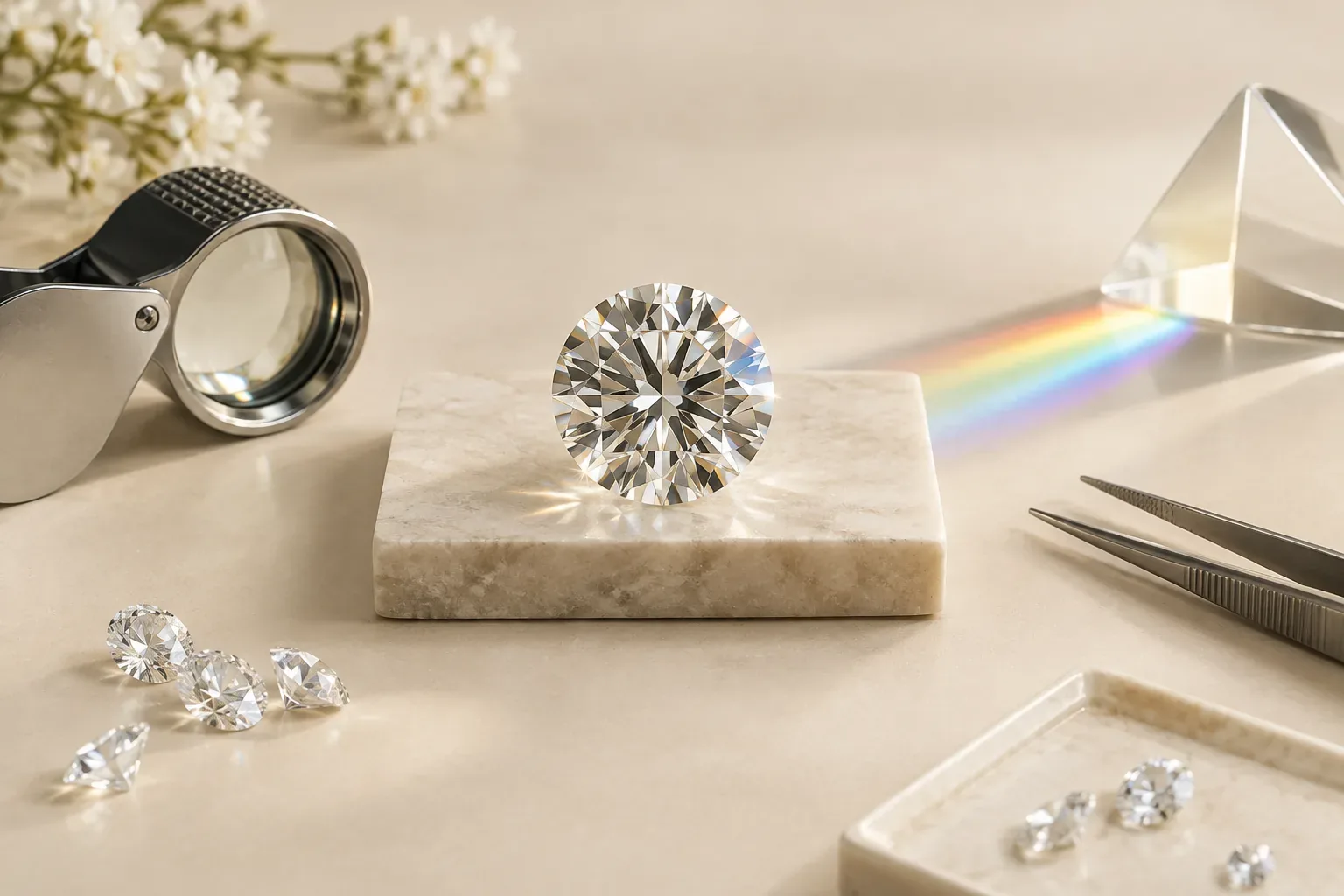
Diamond light performance explained: it is how a polished diamond interacts with light—brightness, fire, and sparkle—and understanding it requires clear definitions, decision criteria such as cut and setting, practical trade-offs for budget and durability, routine care guidance, and acceptance that precise measurement or certification of performance needs a qualified jeweler or gemological laboratory.
Concise direct answer
Diamond light performance explained: it is the combined effect of how a diamond returns white light, shows spectral colors, and produces sparkles when moved, and shoppers should evaluate it with clear decision criteria (cut, proportions, setting, and certification), practical trade-offs (price versus visual effect), safe care practices, and the understanding that only a qualified jeweler or gemological laboratory can provide reliable, objective measurements or formal identification.
What gem professionals mean by 'light performance'
In gemological practice, light performance refers to three related visual behaviors of a polished diamond: brightness (the return of white light to the eye), fire (the dispersion of light into spectral colors), and scintillation (the pattern of small flashes and contrast when the diamond or observer moves). These descriptive categories are how jewelers and appraisers talk about the visual result of cut and finish rather than a single numeric property.
Evaluating light performance involves both objective factors, such as facet angles, symmetry and polish, and subjective perception, including viewing distance, lighting conditions and personal taste. Because both objective and subjective factors matter, consumers often balance technical grading information with in-person viewing or video demonstrations when possible.
Historical evidence and how the subject appears in the record
Primary sources provided for this article focus on modern market behavior, consumer protection, and gemological practice rather than ancient symbolic histories. Imaginaire Digital documents current UK search and market demand trends showing strong interest in engagement rings, studs and popular shapes in 2026, which connects to why light performance is commercially important now. The Gemological Institute of America and the Federal Trade Commission provide the modern regulatory and technical context that shapes how sellers describe diamonds and how buyers can verify claims.
Because the approved evidence set does not include specific historical records from particular cultures or periods about diamond symbolism, this article does not attempt to present ancient cultural meanings as documented fact. For historical symbolism you should consult dedicated historical or anthropological sources; what the current sources establish is that light performance has become a significant selling feature in modern jewelry markets and that regulators and gemological bodies have responded by emphasizing disclosure and verifiable reports.
Documented history versus modern personal interpretations
Documented, evidence-based claims in the provided sources concern market demand, disclosure and the technical need for specialist testing. Imaginaire Digital shows consumer demand patterns that explain why retailers highlight visual qualities. The Gemological Institute of America discusses treatments, disclosure and care considerations that affect consumer questions about what is real and what might be altered. The Federal Trade Commission explains legal expectations for sellers to distinguish natural, lab-grown, treated and imitation materials and to provide written disclosures.
Modern personal interpretations—such as assigning romance, spiritual power, or lifelong fidelity specifically to a diamond’s visual sparkle—are subjective and culturally variable and are not presented as universal in the documentation cited here. Those meanings remain personal or cultural and should be distinguished from the technical and regulatory facts that appear in the cited sources.
How light performance shows up in jewelry
Light performance is most visible in polished diamonds set in common jewelry styles such as engagement rings, studs, necklaces and bracelets. Retailers and shoppers often evaluate round brilliant, oval and other popular shapes for how they return light because current market searches emphasize these categories, as reported by Imaginaire Digital. The same diamond will look different when set in a closed setting versus an open prong or tension setting because the metal and surrounding stones affect light access and the viewer’s angle.
Beyond solitaire rings, light performance is important in matched pairs like stud earrings where symmetry of visual effect matters, and in pavé or micro-set designs where many small stones create an overall field of sparkle. Choice of metal color, stone size, and setting height all influence the perceived brightness and scintillation of the mounted diamond.
How to evaluate and the practical trade-offs
Cut quality is the single most important controllable factor for light performance. Tighter budgets force trade-offs. Prioritizing a very high-cut grade will usually yield better light return but can raise cost. Conversely, saving by accepting a slightly lower color or clarity grade can allow you to buy a better-cut diamond at the same price. Because light performance depends heavily on facet geometry, consumers often prioritize cut over other grading factors when visual sparkle is the primary goal.
Photos and online videos can help but are not perfect substitutes for in-person viewing. Different lighting types—daylight, incandescent, LED—emphasize different aspects of light performance. Ask sellers for videos under natural and indoor light and for side-by-side comparisons when possible. Remember that only trained gemological labs and qualified jewelers can give formal, objective statements about certain properties; customers should request a written report or certificate and check seller disclosures as recommended by the Federal Trade Commission.
What you can and cannot verify without a lab
You can verify visual impressions—does the diamond look bright to you, does it show fire, and does it have attractive scintillation—by viewing the stone in multiple lighting conditions or examining videos supplied by the seller. You can also confirm that a seller provides a written certificate or report and ask about return policies, treatments and whether the diamond is natural or lab-grown, which the FTC requires sellers to disclose in writing.
You cannot reliably confirm certain technical or origin claims without specialist equipment or a qualified laboratory. Only a gemological laboratory can provide independent grading of light performance metrics, confirm treatments that are hard to detect, or reliably distinguish some lab-grown stones from natural stones in every case. For those determinations, rely on reputable lab reports from recognized institutions and on clear written disclosures as advised by the Gemological Institute of America and the Federal Trade Commission.
Safe care and handling guidance
Diamonds are hard but not indestructible; the Gemological Institute of America notes that treatments, detectability and special care affect durability and consumer questions. Clean diamonds regularly with mild soap and warm water and a soft brush to remove oils and residues that reduce light return. Avoid harsh chemicals and ultrasonic cleaners for diamonds that have been treated or mounted with fragile settings unless a jeweler confirms the procedure is safe for that specific piece.
Store diamonds separately to avoid scratching other jewelry and have prongs and settings inspected periodically by a qualified jeweler. If a diamond has an enhancement or treatment, follow the special care instructions provided by the seller and ask for written disclosure about any limitations on approved cleaning methods.
Practical selection and gifting guidance
When selecting a diamond as a gift, prioritize the recipient’s taste: do they prefer lively sparkle or subtle brilliance, warm or cool metal tones, or a particular shape? If you are unsure, choose a reputable seller who offers a good return policy and clear written certification so the recipient can exchange or upgrade if desired. Imaginaire Digital’s market data shows that engagement rings and studs are areas of high interest, so consider whether the piece will be worn daily and choose settings and treatments that match that lifestyle.
For large purchases consider obtaining or requesting an independent appraisal and ensure the seller provides all required disclosures about origin and treatments as the Federal Trade Commission recommends. If the recipient values certification, choose diamonds accompanied by recognized lab reports and keep seller documentation and receipts in a safe place.
Decision checklist before purchase
Ask for a written report or certificate from a recognized laboratory, request videos or in-person viewing under multiple light sources, confirm written disclosures about whether the diamond is natural, lab-grown or treated, and confirm the seller’s return or exchange policy. If you plan to insure the piece, get a professional appraisal and keep all documentation.
Remember that visual taste matters. Technical descriptions and certificates support a purchase decision but do not replace the buyer’s own perception of how the diamond looks in the chosen setting and under the lighting where it will be worn most often.
Frequently asked questions
What exactly is diamond light performance?
Diamond light performance refers to how a polished diamond returns white light (brightness), splits light into colors (fire), and creates sparkles when moved (scintillation). It is a visual result of the diamond’s cut, proportions, symmetry and setting.
Can I judge light performance from photos online?
Photos and videos can help but are limited by lighting, camera settings and editing. Ask for videos under multiple lighting conditions or view the stone in person. For formal verification of specific performance metrics, a qualified jeweler or gemological laboratory is required.
Does a certificate guarantee superior light performance?
Certificates document measured grades such as cut, color and clarity from a laboratory, which together influence light performance, but a certificate alone does not guarantee how a diamond will look to an individual. In-person viewing or video plus lab reports gives the most reliable picture.
How important is cut compared with color and clarity?
Cut quality has the greatest impact on how a diamond handles light and therefore on perceived sparkle. Many shoppers prioritize cut first, then balance color and clarity according to budget and desired visual effect.
Can I tell if a diamond has been treated or is lab-grown without a report?
Not reliably. The Federal Trade Commission requires written disclosures about treatments and origin, and the Gemological Institute of America notes that detectability and disclosure are central consumer questions. For certainty, request a report from a recognized laboratory.
How should I care for diamonds to preserve light performance?
Clean diamonds with mild soap, warm water and a soft brush to remove oils that reduce light return, avoid harsh chemicals and check settings regularly. If the stone has known treatments, follow any special care instructions and consult a jeweler before ultrasonic cleaning.
What should I ask the seller before buying?
Ask for a written laboratory report or certificate, written disclosure about whether the diamond is natural, lab-grown or treated, videos or in-person viewing under different lighting, the return policy, and any care instructions or limitations.
Sources and further reading
- Imaginaire Digital — Imaginaire Digital
- Gemological Institute of America — Gemological Institute of America
- Federal Trade Commission — Federal Trade Commission