Meaning at a glance
Diamond jewelry combines an ancient prestige history with modern engagement symbolism, but a useful guide must separate those meanings from measurable quality, origin, laboratory growth, treatments, and care.
What the historical record shows
Documented evidence recognizes diamonds as one of the oldest-used gem materials in jewelry. The Smithsonian National Museum of Natural History describes diamonds as having a long history in jewelry, and museums and collections trace their use across many periods and regions. This archaeological and curatorial record supports the view that diamonds were prized for durability, brilliance, and rarity in early gem-using societies.
The Gemological Institute of America (GIA) and major museum collections both identify diamond as crystalline carbon and explain its physical properties that made it desirable for adornment and display. Because diamond is exceptionally hard and refracts light strongly, it was used where permanence and sparkle were valued. The specifics of how diamonds were used, and the meanings attached to them, varied by time and place; the sources above document the material history rather than a single, unchanging symbolic meaning.
Which cultures and periods are documented
Curatorial and scientific records show early diamond use in the Indian subcontinent, where diamonds were mined and traded in antiquity and medieval periods. Later, diamonds appear in European royal and aristocratic jewelry once supply and cutting technologies made them more visible in court dress and regalia. The Smithsonian’s resources outline a multi-period, multi-region presence rather than a single-origin story, and institutional catalogs trace objects through specific cultural contexts.
Because museums and gemological bodies document objects in collections, their work lets us map diamond use across historical layers—ancient and medieval Indian contexts, Renaissance and later European jewelry, and modern global trade networks. These attributions come from curatorial records and scientific study rather than a single historical narrative, so it’s important to read object labels and provenance notes when you want precise dates and origins for any specific diamond piece.
Documented historical meanings versus modern interpretations
Historical evidence supports that diamonds often served as prestige objects—symbols of wealth, status, and durability—because of their rarity and physical properties. This interpretation is grounded in museum records and the physical properties explained by scientific bodies such as the GIA and Smithsonian.
Modern meanings—such as the widely recognized association of diamonds with engagement, romantic fidelity, or personal empowerment—are culturally specific and largely emerge from 19th to 20th century social practices and marketing as well as individual preference. These contemporary associations are modern interpretations layered onto a much longer material history and are not universal. When you encounter claims like “diamonds always mean love,” understand that such claims describe a modern cultural practice in some societies rather than a documented, universal historical truth.
How diamonds appear in jewelry: motifs and traditions
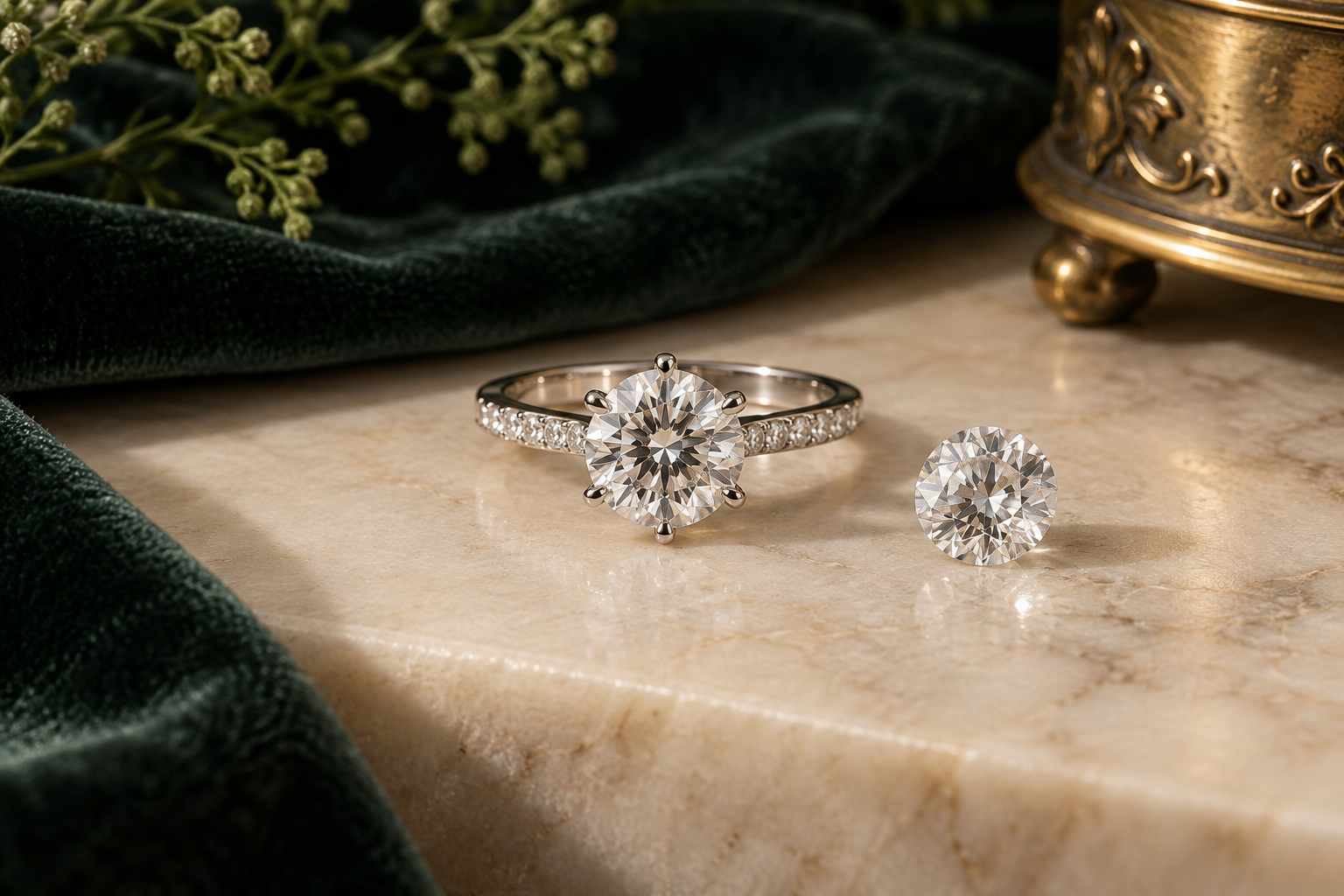
In jewelry, diamonds function both as focal gems and as accent stones. Designers set single large diamonds in solitaire rings or pendants to emphasize clarity and size, and they use many small diamonds in pavé, halo, or cluster settings to increase overall sparkle and perceived luxury. These setting choices have practical roots—the optical and physical properties of diamond make it suitable as either a standout gem or a scintillating accent.
Motifs vary with fashion and culture. In some historical pieces, diamonds appear within intricate metalwork as part of crowns, daggers, or ceremonial objects; in modern jewelry they commonly appear in rings, stud earrings, bracelets, and layered necklaces. The way a diamond is cut, set, and paired with other materials (metals, colored gemstones, or pearls) shapes the visual and symbolic effect the piece communicates to its wearer and viewers.
The 4Cs: objective measures of quality
For buyers and collectors, the most widely accepted framework for assessing diamond quality is the Four Cs: carat, cut, color, and clarity. The Gemological Institute of America (GIA) describes these categories as the primary, objective way gemological professionals and retailers communicate a diamond’s characteristics. Carat measures weight; cut describes how well a stone’s proportions and facets create brilliance; color assesses the presence of body color in white diamonds; and clarity reflects internal and surface characteristics.
Understanding the 4Cs helps separate symbolic meanings from measurable qualities. A diamond’s emotional or cultural meaning is independent of its measured quality, but the 4Cs will determine how light interacts with the gem and therefore the visual impact, rarity, and market value. Use standardized reports from reputable laboratories to verify a stone’s 4C grading when quality and resale value matter to you.
Origin, laboratory-grown diamonds, and treatments
Origin and growth method affect both price and ethical considerations. The GIA emphasizes that natural and laboratory-grown diamonds both are crystalline carbon but that clear disclosure is essential: consumers should be told whether a diamond is natural or laboratory-grown. Lab-grown diamonds have the same basic material properties as natural diamonds but differ in origin and market dynamics.
Treatments and enhancements also matter. Some diamonds undergo high-pressure, high-temperature treatments or other processes to change color or clarity. Those interventions alter market value and must be disclosed. When choosing a diamond, request documentation about origin, whether it is natural or lab-grown, and any treatments so you can make a purchasing decision aligned with your values and budget.
Selecting and gifting diamond jewelry: practical and respectful guidance
When selecting a diamond as a purchase or a gift, separate practical considerations from symbolic intent. If your priority is optical performance, focus on cut quality and a reliable grading report. If budget is a constraint, prioritize cut over carat because a well-cut smaller diamond can look more brilliant than a larger poorly cut stone. Request certificates from reputable laboratories and confirm disclosure about lab-grown origin or treatments.
Respect cultural and personal meanings when gifting. Ask yourself whether the recipient values the cultural association of diamonds with engagement or prefers alternative gemstones for symbolic reasons. In some families or cultures, a diamond gift may carry expectations; in others, it may be simply an ornamental or economic gift. Avoid assuming a single meaning; if appropriate, have an open conversation before giving a significant diamond to ensure the gesture aligns with the recipient’s values and circumstances.
Care and maintenance of diamond jewelry
Although diamond is the hardest common gemstone, it can chip or loosen from its setting, and accumulated oils and dirt reduce brilliance. Clean diamond jewelry at home with mild soap and warm water and a soft brush to remove surface grime, and dry carefully. Avoid persisting with abrasive cleaners that might harm the setting or surrounding materials.
Have important or frequently worn pieces inspected by a professional jeweler periodically to check prongs and mountings, and consider professional ultrasonic or steam cleaning where appropriate for the setting. Store diamonds separately from other jewelry to prevent scratching of softer gems and to protect delicate metalwork. Proper documentation—receipts and certificates—will help with insurance and resale if needed.
Balancing emotion, ethics, and economics
Diamonds can simultaneously be emotional gifts, investments, and design elements. Balancing those roles means making choices based on transparent information. Ask for grading reports for quality, ask sellers about origin and treatments, and consider lab-grown alternatives if you prioritize cost or different ethical tradeoffs. Acknowledge that symbolic meanings—such as love, commitment, or status—are culturally shaped and may differ between you and the recipient.
If resale or inheritance is a concern, maintain records and choose reputable providers. If environmental or labor concerns inform your choice, seek clear supply-chain information and consider alternatives tied to verified sourcing standards or lab-grown stones with full disclosure. The GIA and museum resources encourage documentation and disclosure as part of informed collecting and gifting.
Final takeaways
Diamond jewelry carries a long, documented history as a prestige material and has acquired strong modern symbolic associations in many societies. Use the 4Cs to understand measurable quality, insist on clear disclosure about origin and treatments, and treat modern symbolic meanings as culturally specific rather than universal.
Choose and care for diamonds with practical steps—prioritize cut, ask for documentation, inspect settings, and respect recipients’ personal and cultural perspectives when gifting. These steps let you appreciate both the historical prestige and the contemporary meanings of diamond jewelry while making decisions grounded in measurable facts and mindful intent.
Frequently asked questions
What do the 4Cs stand for and why do they matter?
The 4Cs are carat (weight), cut (how well the stone is faceted to return light), color (degree of body color in white diamonds), and clarity (internal and surface characteristics). They are standardized categories used by gemological laboratories such as the GIA to describe measurable quality and to help buyers compare stones.
Are laboratory-grown diamonds the same as natural diamonds?
Laboratory-grown diamonds are the same material—crystalline carbon—as natural diamonds in most measurable respects, but they differ by origin and market context. The GIA stresses that whether a diamond is natural or lab-grown must be clearly disclosed.
Do diamonds always symbolize romantic love or engagement?
No single symbolic meaning is universal. Diamonds have long been prestige objects in many cultures, and the association with engagement and romantic commitment is a modern cultural practice in many societies. This symbolic layer is culturally specific and not an inherent property of the stone.
How should I clean and care for diamond jewelry at home?
Clean diamonds with mild soap and warm water and a soft brush to remove oils and dirt, then dry carefully. Inspect settings regularly for loose prongs and have valuable pieces checked and professionally serviced as needed. Store diamonds separately to protect other gems and delicate settings.
What documentation should I get when buying a diamond?
Request a grading report from a reputable laboratory that details the 4Cs, and ask the seller to disclose whether the stone is natural or laboratory-grown and whether any treatments were applied. Keep receipts and certificates for insurance and future resale.
Sources and further reading
- Diamond — Gemological Institute of America
- Gems and Minerals: Beauties and Building Blocks — Smithsonian National Museum of Natural History