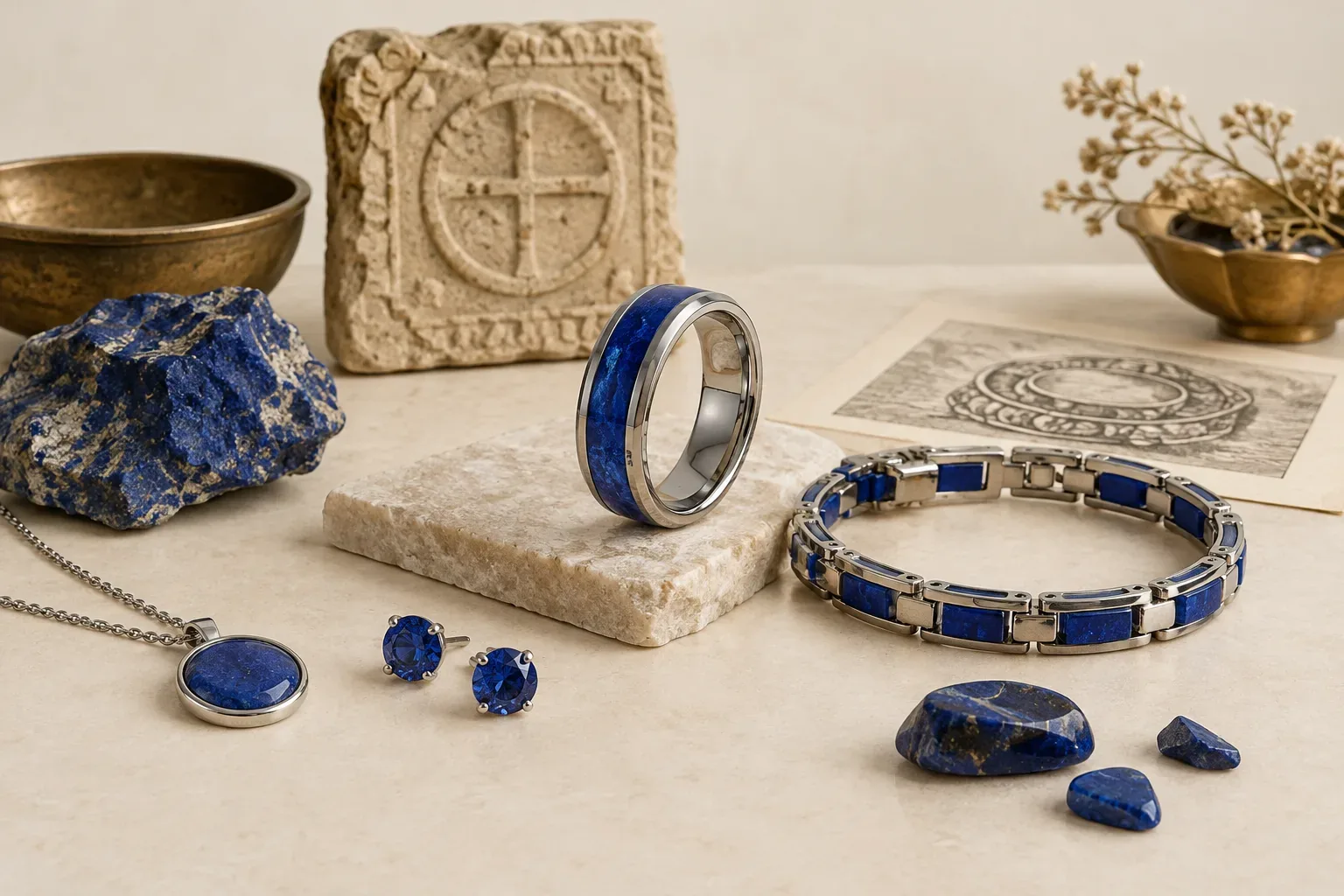
Meaning at a glance
Cobalt chrome is a modern jewelry material with no documented ancient cultural meanings; use museum sources to understand changing materials in jewelry history and consumer-protection guidance to check disclosures, warranties, and seller credibility before buying or gifting.
Direct answer — what this buying guide will do
This guide explains what the historical record supports and what it does not when you search for meaning around cobalt chrome jewelry, separates documented cultural evidence from modern interpretations, and gives practical, consumer-focused advice on how to judge quality, price, and best uses when buying or gifting pieces made with this material.
What the historical evidence says (and what it does not)
Museum scholarship shows that jewellery has changed repeatedly as makers adopted new materials and technologies and as meanings shifted with social context. The Victoria and Albert Museum (V&A) describes how materials, techniques and fashions have altered jewellery’s role over time and how consumers have repurposed objects and motifs to express changing identities and values. That broad, documented history demonstrates how material matters to social meaning, but it does not identify a long-standing cultural or religious symbolism specific to the modern alloy known as cobalt chrome.
In short: there is clear, museum-documented evidence that jewelry materials gain and lose cultural weight as contexts change, but the sources available for this article do not record an ancient or traditional symbolic meaning tied specifically to a cobalt chrome alloy. Any symbolic claims about cobalt chrome as a motif are therefore modern interpretations rather than documented historical facts.
Separating documented history from modern interpretation
When people ascribe symbolic significance to contemporary materials, two different types of claims can be in play. One is a documented historical claim: a culture once used a material or motif in consistent religious, social, or legal ways, and contemporary scholars can point to artifacts, records, or museum interpretation to support that claim. The V&A’s surveys of jewellery history and gemstone use are examples of sources that support documented historical claims about how particular materials and objects functioned in specific periods and places.
The other type is a modern personal or marketing interpretation, where designers, brands, or wearers attach new symbolic meanings to an alloy because of its look, durability, or associations with technology. These contemporary attributions are valid as personal or cultural meanings, but they should not be conflated with historical evidence. This guide follows that distinction: historical meanings are attributed to museum scholarship where it exists, and contemporary meanings are described as modern interpretations.
How cobalt chrome appears in jewelry today
In current jewelry practice, makers choose metals and alloys for appearance, durability, price, and wearer comfort. When assessing a piece described as cobalt chrome, expect the seller to describe the metal composition, finish, and any surface treatments or coatings used. Pieces may be presented as standalone metal jewellery such as rings and bracelets, as settings for gemstones, or as components combined with other metals and materials.
Because this is a modern material choice rather than a long-documented tradition, its presence in jewelry is best understood as a design and technical decision rather than a historically prescribed motif. That means buyers should focus on the craftsmanship, fit, and how the material interacts with any gemstones or decorative elements, and seek clear disclosure from the seller about composition and treatments.
Assessing quality: what to ask sellers and look for
Start by asking the seller for a clear description of the metal composition and any surface treatments, coatings, or platings applied to the item. The U.S. Federal Trade Commission (FTC) emphasizes that consumers deserve accurate information about materials, treatments, and imitation; ask for any available documentation, certificates, or lab reports and verify that the description matches the item you receive.
Examine craftsmanship details such as the finish, the strength and quality of settings if stones are present, the integrity of joints and closures on bracelets or chains, and the overall fit for rings and wearable pieces. Ask about warranties, repair policies, and the vendor’s after-sales service. If you have metal allergies, request a materials breakdown and, if necessary, a statement on whether the piece was tested or certified as hypoallergenic by an independent lab. For bespoke or high-value purchases, consider requesting a written confirmation of composition and any treatments.
Price factors and value considerations
Price for a cobalt chrome piece depends on the maker’s skill, the complexity of the design, whether gemstones are set, the quality of any surface finishing, and brand positioning. Because cobalt chrome is a contemporary material choice, its market value is usually driven less by intrinsic metal value than by workmanship and design reputation. When comparing prices, look at comparable pieces from reputable makers and ask what portion of the price reflects the metal, the setting, the stones, and labor.
Be cautious of listings that omit material details or that use vague marketing language about ‘‘premium alloys’’ without documentation. The FTC’s guidance on buying gemstones, diamonds and pearls extends to any jewelry purchase: sellers must disclose treatments and imitations, and you should insist on clear, written descriptions to judge price fairly.
Best uses and care in everyday wear
Consider the intended use when choosing cobalt chrome jewelry. For everyday pieces such as wedding bands or bracelets, prioritize comfort, fit, and a finish that hides scratches if that matters to you. For items designed to showcase gemstones or intricate motifs, check that the metal’s finish and setting style complement the stone and protect it against wear.
For care, follow the seller’s instructions and prefer gentle cleaning methods: mild soap, a soft cloth, and avoiding abrasive chemicals or ultrasonic cleaners unless the maker specifies they are safe. Keep all cleaning and care instructions with the piece and confirm if any surface treatments or coatings will need periodic maintenance or reapplication.
Selecting and gifting guidance — respectful, practical choices
Because cobalt chrome has no documented traditional symbolism in the historical record presented by museum sources, choose or gift it for reasons grounded in design, durability, or the recipient’s personal taste rather than assuming a universal symbolic meaning. When selecting a gift, ask about the recipient’s metal sensitivities, preferred finishes, and daily activities that could affect wear. If the piece is a symbolically important gift such as an engagement or memorial item, be explicit about the modern meaning you intend rather than implying an ancient tradition.
If you are buying for someone from a distinct cultural or religious community, take care to research whether certain metals or colors have specific meanings in that community. The V&A and similar museum resources can help you learn how different societies have historically treated materials and symbols, but do not assume continuity between past uses and modern marketing claims.
A concise buying checklist
Before you buy, confirm the exact metal composition and any coatings in writing, inspect maker photos or samples to judge finish and fit, confirm return and repair policies, request documentation for any gemstones, and check seller reviews and reputations. If a piece is described using unfamiliar claims about symbolism or heritage, ask for evidence linking those claims to historical sources rather than accepting them at face value. When in doubt about disclosures or treatments, refer to consumer-protection guidance from the FTC and consider buying from established jewellers who provide transparent material statements.
Final thought
Treat cobalt chrome primarily as a modern design and technical choice. Approach purchases with the same evidence-based questions you would for any contemporary metal: ask for clear composition and treatment disclosures, evaluate craftsmanship, and match the piece to the recipient’s needs and preferences rather than to an assumed historical symbolism.
Frequently asked questions
Is there an ancient or traditional meaning tied to cobalt chrome jewelry?
No museum scholarship used for this guide documents an ancient or traditional cultural meaning specific to cobalt chrome. The Victoria and Albert Museum emphasizes how materials gain and lose social significance over time, but any meaning for cobalt chrome is a modern interpretation rather than a documented historical tradition.
How can I verify the material composition of a cobalt chrome piece?
Ask the seller for a written description of the metal composition and any surface treatments, and request any laboratory or maker documentation they can provide. The Federal Trade Commission advises consumers to insist on accurate disclosure of materials and treatments when buying jewelry.
Is cobalt chrome hypoallergenic?
Some sellers market modern alloys as hypoallergenic, but claims vary by formulation and testing. If you have allergies, ask for composition details and for any independent testing or certification the seller can provide rather than relying on marketing terms alone.
Will cobalt chrome jewelry scratch or need special care?
Care needs depend on the exact composition and any surface coatings. Request the maker’s care instructions and prefer gentle cleaning methods unless the seller specifies otherwise. Confirm whether surface treatments require periodic maintenance.
Can a cobalt chrome ring be resized?
Resizability depends on the alloy and how the ring was manufactured. Some modern alloys may be difficult to resize without specialized tools. Ask a qualified jeweller or the maker about resizing options before purchase.
How should I judge price when shopping for cobalt chrome jewelry?
Compare like-for-like pieces by workmanship, design complexity, presence and quality of gemstones, and maker reputation. Because the monetary value of contemporary alloys often reflects craftsmanship and brand rather than intrinsic metal value, transparency about the material and labor cost is important.
What should I check when buying as a gift?
Confirm the recipient’s metal sensitivities, preferred finishes and daily wear habits. Verify return, exchange and resizing policies, and keep any documentation about composition and care with the gift. If the gift has symbolic intent, be explicit about the modern meaning rather than implying historical tradition.
Sources and further reading
- Bedazzled: A History of Jewellery — Victoria and Albert Museum
- An A-Z of Gemstones — Victoria and Albert Museum
- Buying Gemstones, Diamonds, and Pearls — Federal Trade Commission