Meaning at a glance
Edwardian jewelry techniques are characterized by a lace-like aesthetic made possible by platinum work, openwork settings, delicate milgrain and pavé, and frequent use of diamonds and pearls; museum documentation traces these techniques to early 20th century British taste, while modern interpretations layer personal and cultural meanings that should be kept distinct from the historical record. Practical buying and gifting advice includes checking gemstone treatments, understanding repairs and restorations, and choosing pieces that suit the recipient’s style and lifestyle.
Direct answer: what are Edwardian jewelry techniques?
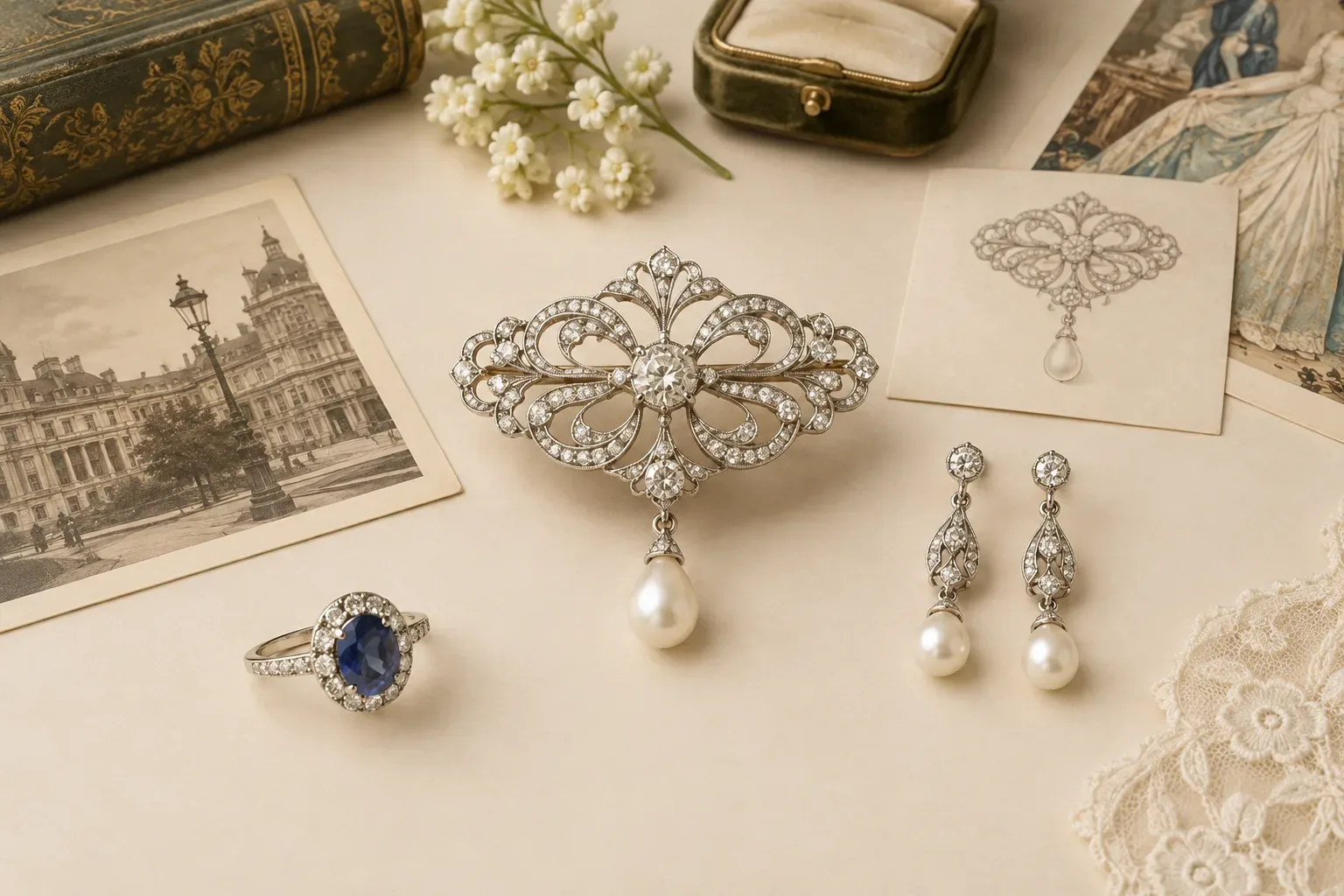
Edwardian jewelry techniques describe a set of metalworking and setting methods used in jewelry made in the Edwardian era in Britain and in related fashions elsewhere during the early 20th century. These techniques include the use of platinum to create openwork, lace-like frameworks; fine pavé and millegrain or milgrain detailing around stones; delicate filigree and hand engraving; and settings that emphasized lightness around diamonds and pearls. Museum documentation links these technical choices to changing tastes and social contexts of the period, and many of the specific effects can be identified on surviving pieces and in museum collections.
Historical evidence and precise context
The Victoria and Albert Museum (V&A) presents the stylistic and material changes in jewelry across periods, including the late Victorian, Edwardian, and early 20th-century transitions. The V&A links the Edwardian aesthetic to a preference for light, refined decoration and new metalwork capabilities that allowed jewelers to reduce heavy backing and open up designs into lace-like patterns. The museum’s general histories of jewelry show how social tastes, available tools, and trade networks shaped techniques rather than a single designer’s whim.
When discussing Edwardian jewelry techniques it is important to be precise about culture and period. The term most commonly refers to fashions associated with Britain during the reign of King Edward VII and the years surrounding it in the early 1900s, but similar technical developments and stylistic motifs also appeared in Western Europe and North America where jewelers responded to the same advances in metallurgy and gem cutting. Those wider uses are best understood as related trends rather than a single, universal style.
Documented techniques and how they were made
Platinum work is central to the Edwardian look documented by museum collections. Because platinum was harder and more durable than the earlier-use gold alloys and could be drawn into fine sections without losing strength, silversmiths and jewelers used it to create open, airy frameworks that supported gemstones with minimal visible metal. The V&A’s historical material explains how this material shift enabled previously impractical designs to be made and worn.
Openwork and filigree were produced by hand and by skilled workshop processes. Jewelers used sawing, filing and soldering to remove excess metal, creating pierced patterns that read like lace when worn. Millegrain or milgrain—a beaded edge detail around stones—was often applied to soften edges and add tiny, reflective texture around settings. Pavé setting, in which many small diamonds are set close together so the metal seems almost invisible, was used to increase sparkle while keeping the overall look delicate.
Enamelling techniques and subtle hand engraving provided color and low-relief surface patterning. Where cloisonné or plique-à-jour enamels appear on pieces from the early 20th century, they reflect the technical skills jewelers used to add translucent color and light-catching effects, but the relative prevalence of any enamel type varies by maker and region.
Gemstones and materials in the documented record
Museum reference material on gemstones explains that diamonds and natural pearls were especially prized in Edwardian pieces because their white, reflective qualities complemented the lighter metalwork and the era’s taste for discreet luminosity. The V&A’s guides to gemstones place these materials in their historical context and discuss how cutting techniques and trade availability influenced usage.
Colored gemstones were also used, but often in a supporting rather than dominating role. Pastel-coloured sapphires, moonstones, peridots and aquamarines could be set into garland, bow, and ribbon motifs. The visual effect was one of airiness and soft contrast rather than the bold color blocks of later fashions.
Separating documented historical meanings from later interpretations
Primary museum documentation speaks to the technical and stylistic choices of jewelers and the tastes of their clientele; it does not inherently assign a single, universal symbolic meaning to a particular motif or technique. For example, a bow or garland motif appears frequently in Edwardian jewelry collections and is documented in the context of contemporary fashion and decorative arts, but museums do not prescribe one exclusive emotional or cultural meaning for that motif across all contexts.
Modern sources and popular culture sometimes layer romantic or symbolic interpretations onto Edwardian forms—viewing bows as unequivocal symbols of love, or assuming every locket was a mourning piece. Those later readings can be meaningful to individuals, but they are different in kind from the documentary evidence preserved in museum records. Distinguishing historical documentation from personal or contemporary symbolic readings is essential when researching a piece or choosing jewelry for a specific meaning.
How motifs and techniques appear on jewelry objects
Technically, lace-like openwork and platinum frameworks appear across brooches, tiaras, necklaces, and chatelaines in surviving collections. Brooches and tiaras often showcase dense pavé and carefully milgrained surrounds to maximize sparkle from small diamonds, while necklaces and tiaras use repeated motifs—garlands, bows, and scrolls—linked by finely worked connectors so the whole piece drapes like fabric.
Settings that show minimal visible metal are characteristic: claws and delicate bezels are often reduced in profile so that stones appear to float. Pearl accents are frequently used as drops from a chain or as central elements in pendants, and lockets and portrait miniatures continued to be made with Edwardian decoration, combining sentimental forms with the period’s surface techniques.
Practical guidance for selecting, wearing, and gifting Edwardian-style pieces
If you are choosing an original Edwardian piece, consider condition and repairs. Many surviving examples have been altered, re-tipped or re-set over the last century. Ask sellers about provenance and any documented restorations, and examine close photos or request an in-person appraisal to understand whether the setting and stones are original to the piece.
When selecting a piece meant to evoke Edwardian techniques rather than being an antique, look for artisans who use historically accurate processes such as hand-applied milgrain and fine openwork in platinum or platinum alloys. If you prefer modern metals, confirm the alloy’s properties and how the maker replicates the period look.
For gemstone purchases and disclosure of treatments, follow the Federal Trade Commission’s guidance on buying gemstones, diamonds, and pearls. Sellers must disclose common treatments and whether gems are synthetic or natural. Ask for written confirmation of treatments and, for high-value stones, consider an independent gemstone report.
Gifting guidance: match the piece to the recipient’s lifestyle and tastes. Delicate, openwork Edwardian pieces look best on someone who will wear them for dress occasions and who appreciates fragile, intricate work. If the recipient prefers low-maintenance jewelry, consider an Edwardian-inspired piece executed in a sturdier modern setting. If the gift is meant to carry a specific modern meaning, be explicit about that meaning rather than relying on presumed historic symbolism.
Care, maintenance, and ethical buying considerations
Delicate settings and old solder joins require sensitive handling. If you own or purchase an antique piece, have a qualified jeweler or conservator inspect it for structural weaknesses before regular wear. Keep pearls and some porous gemstones away from household chemicals and perfumes, and store delicate pieces separately to avoid abrasion.
Ethically, inquire about sourcing for stones and metals. While the historical pieces predate contemporary certification systems, modern buyers of antique and reproduction jewelry can and should ask sellers about provenance and sourcing practices. For modern stones and treatments, insist on transparent documentation in line with consumer protection advice from the Federal Trade Commission.
Frequently asked questions
What materials signal an authentic Edwardian piece?
Authentic Edwardian pieces commonly use platinum frameworks, fine milgrain or millegrain edgework, pavé-set small diamonds, and natural pearls. Documentation in museum collections and specialist references often highlight the use of platinum for its strength and ability to produce openwork. Ask sellers for provenance and condition reports to confirm originality.
How can I tell if an Edwardian-style piece has been altered?
Look for inconsistencies in metal colour, non-matching solder joins, modern hallmarks that post-date the period, or settings that appear bulkier than typical Edwardian work. Request close images or an in-person appraisal and ask for any documentation of past repairs; reputable dealers will note restorations.
Are Edwardian diamonds treated or different from modern diamonds?
Early 20th-century diamonds were cut and finished differently from some modern cuts, often producing different brilliance and scintillation. Modern treatments and synthetic diamonds exist, and sellers should disclose any treatments. Follow the FTC’s guidance on asking about treatments and obtaining written confirmation when buying valuable stones.
Should I wear an Edwardian piece every day?
Many Edwardian pieces were designed for dress wear rather than daily, rough use. Delicate openwork and pavé settings can be vulnerable to knocks and pressure. If you want a daily-wear look, consider a modern piece inspired by Edwardian techniques that uses stronger modern settings and alloys.
Where can I get a gemstone tested or verified?
For high-value purchases, obtain an independent report from a recognized gem-testing laboratory or a qualified appraiser. Ask sellers for any existing reports and follow the FTC’s recommendations on disclosures for treatments, synthetics, and imitations.
Sources and further reading
- Bedazzled: A History of Jewellery — Victoria and Albert Museum
- An A-Z of Gemstones — Victoria and Albert Museum
- Buying Gemstones, Diamonds, and Pearls — Federal Trade Commission