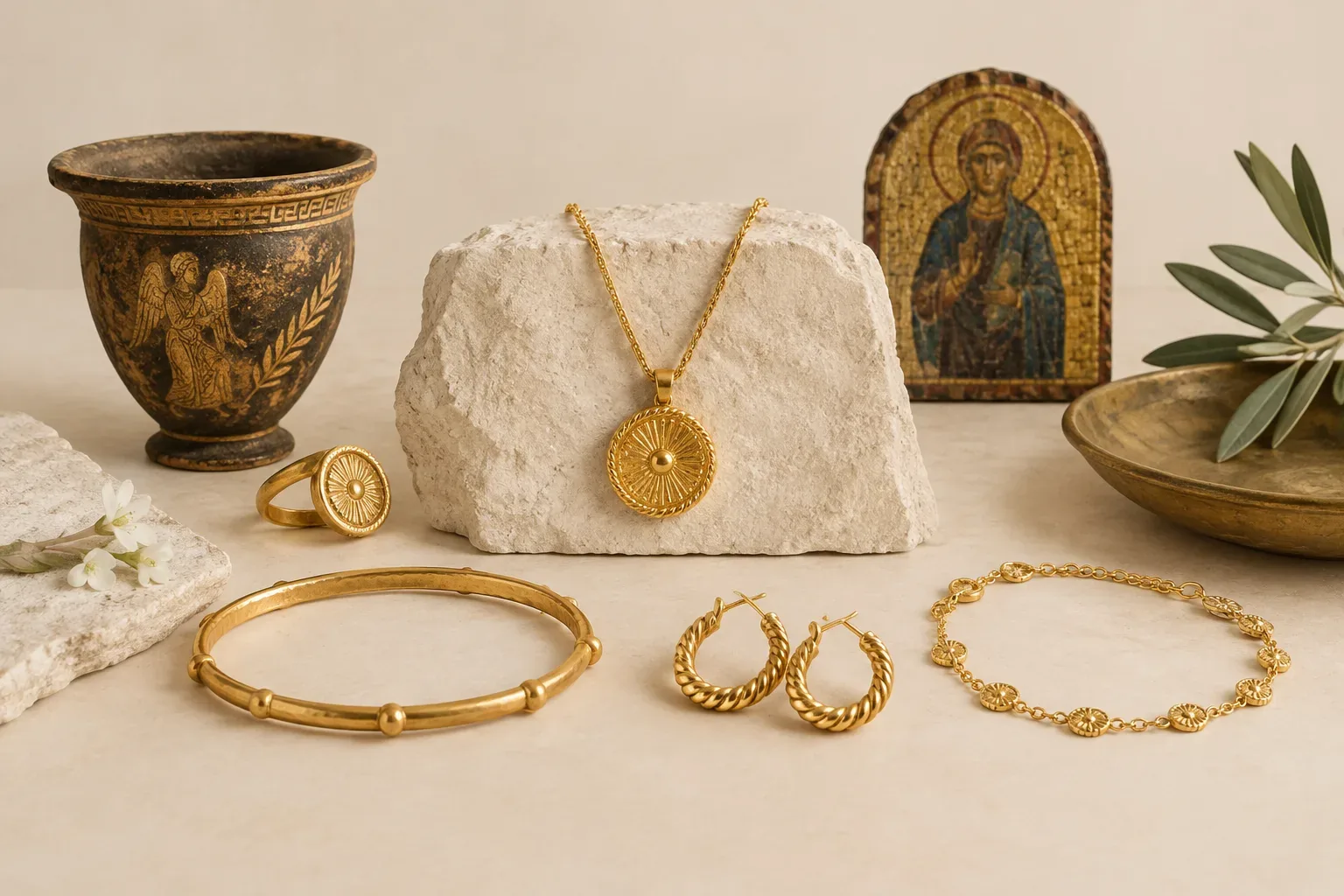
Meaning at a glance
Gold filled is a modern material treatment with practical durability advantages when compared with thin surface plating; museums document how surface treatments and durable materials have shaped jewellery’s social meanings across cultures and periods, and consumer guidance—supported by trade disclosure rules—recommends clear labelling, routine gentle care, and choosing pieces to match lifestyle and meaning.
What museums and consumer authorities say about materials and meaning
The Victoria and Albert Museum (V&A) treats the history of jewellery as a record of changing technologies, fashions, and social expectations. The museum’s material traces show that across different cultures and periods, jewellers and wearers have used surface treatments, substitutes, and more durable constructions to achieve looks, signal status, or make sentimental objects more affordable and wearable in daily life. The V&A’s presentations place such choices inside specific social contexts rather than treating them as timeless facts about jewellery.
For consumers today, the Federal Trade Commission (FTC) provides guidance about disclosure of material treatments and imitations. The FTC’s consumer advice underlines that accurate labelling helps buyers understand how an item was made and what to expect from its longevity. When sellers describe pieces as gold filled, plated, vermeil, or solid gold, clear disclosure helps compare likely wear, possible need for care, and appropriate uses.
Historical evidence and distinct cultural contexts
Museum scholarship, as presented by the V&A, traces jewellery from ancient through modern times and shows that many different cultures used techniques that altered a base material’s appearance or protected a surface. Rather than a single story, the historical record contains multiple specific practices: some societies prized heavy, long‑lasting metalwork for court dress; other communities used applied surfaces or inlay to recreate the appearance of more expensive metals for everyday wear or for funerary display. The V&A places these techniques within particular periods and social situations, for example contrasting ceremonial pieces with items intended for regular use.
It is important to keep cultures and periods separate. The motivations and meanings attached to durable or imitative solutions in one society—whether for thrift, ritual, status display, or mourning—do not automatically map onto later commercial treatments or contemporary personal values. The museum’s work makes this contextual difference central: a technique or look documented for one time and place should not be assumed to carry the same symbolic weight elsewhere or later.
Documented historical meanings versus modern interpretations
Documented historical meanings come from the contexts in which objects were made and used, and museums like the V&A present that evidence with provenance, dating, and object histories. Those records show why people in specific places and periods chose particular materials or finishes. For example, a durable surface on a ceremonial brooch may be documented as an investment in status in its original context, whereas a similar surface on an everyday personal ornament in another context could reflect practicality.
Modern interpretations—how someone today reads durability into a piece—are often personal or cultural responses shaped by current values such as sustainability, cost, or fashion. These contemporary readings are valid for the wearer but are not the same as the historical record. When assessing meaning, separate the documented context provided by museum research from the later symbolic or emotional meanings people attach to similar materials or designs today.
How durability and surface treatments appear in jewellery and gemstone use
Durability in jewellery appears in two linked ways: in the choice of core materials (metals, settings) and in finishes or treatments applied to surfaces. The V&A’s work on gemstones shows that makers have long chosen stones and mounting methods to suit specific functions—some gems and settings were selected for frequent wear, others for display or ceremony. Across periods, makers balanced aesthetics with the physical demands of intended use.
Surface treatments—including gilding, plating, and modern mechanical bonding—are part of that toolkit. The visual effect of gold on a piece has been achieved by many techniques over time; museums document that similar appearances sometimes resulted from very different processes and social purposes. Because gemstones, motifs, and construction methods interact, a piece described today as gold filled will present in jewellery design as a gold-coloured surface with settings and motifs chosen to match the intended use, price point, and style.
Practical selection guidance: match materials, disclosure, and lifestyle
When choosing gold filled jewellery for yourself or as a gift, begin with clear labelling. The FTC advises that sellers disclose material treatments and any imitations. Accurate product information lets you compare options and form realistic expectations about longevity and care.
Consider the wearer’s daily habits and sensitivities. If the piece will be worn during sports, sleeping, or in contact with water, choose a style and closure designed for that use and confirm the seller’s guidance on care. If the wearer has metal allergies or sensitive skin, check for information about the base metal and any potential allergenic alloys.
Think about the intended meaning. If the gift is meant to mark a milestone that will be worn daily, a sturdier construction and clear disclosure of materials will be appreciated. If the piece is a fashion item intended for occasional wear, that context matters for expectations about wear and patina. In all cases, buy from sellers who provide transparent material descriptions so the recipient understands what the piece represents and how to care for it.
Care guidance for longevity and appearance
Routine gentle care preserves finish and appearance. For most everyday jewellery surfaces, regular wiping with a soft, dry or slightly damp cloth removes oils and grime that accelerate surface wear. Avoid abrasive cleaners and brushes that can remove surface finishes, and keep jewellery away from household chemicals and high‑chlorine pools when possible.
Store pieces separately to prevent knocks and abrasion against other items. If a piece is likely to be exposed to perfumes, lotions, or sweat, removing it during those activities reduces accelerated wear. For any cleaning beyond a soft cloth, follow the seller’s recommendations; when in doubt, consult a reputable jeweller who can advise on safe methods for the specific construction.
Finally, preserve documentation—receipts, maker’s notes, and material disclosures—so the piece’s material history is clear for future care, repair decisions, or resale.
Respectful gifting and cultural sensitivity
Be mindful that similar materials can carry different meanings in different communities. The V&A’s scholarship underscores the variety of cultural practices and the importance of context. Before gifting a piece with a particular motif or material to mark a ceremony or culturally specific milestone, check whether the symbol, colour, or metal has particular religious or cultural rules or expectations for that recipient.
When in doubt, ask discreetly or choose a simpler expression of care, and provide a note that explains the piece’s materials and suggested care. Transparency about what the item is—and why you chose it—makes the gift more meaningful and prevents misunderstandings about cost, intended use, or symbolic value.
Frequently asked questions
Is gold filled the same as solid gold?
No. Gold filled is a surface treatment that gives the appearance of gold without the piece being solid gold through and through. For a clear explanation of material treatments and why accurate labelling matters, consult consumer guidance such as the FTC’s advice on material disclosure.
Will gold filled jewellery tarnish or wear over time?
All surface finishes show signs of use over time. How quickly depends on wear patterns, exposure to chemicals and abrasion, and how the piece was made. Sellers who provide transparent information about the construction and care can help you set realistic expectations.
How should I care for gold filled pieces?
Gentle routine care is best: wipe with a soft cloth after wear, avoid harsh cleaners and abrasive tools, and remove jewellery for activities that expose it to chemicals or heavy abrasion. Keep pieces stored separately to reduce rubbing against other items.
What should I look for when buying gold filled jewellery as a gift?
Choose a reputable seller who discloses material treatments and base metals. Match the style and construction to the recipient’s lifestyle, note any metal sensitivities, and include care instructions or the maker’s documentation so the recipient understands what the piece represents and how to preserve it.
How can I tell whether a seller is honest about material treatment?
Look for clear labels and written descriptions that state whether a piece is plated, gold filled, vermeil, or solid gold. Consumer guidance from the FTC emphasizes that accurate disclosure of treatments helps buyers compare durability and value.
Sources and further reading
- Bedazzled: A History of Jewellery — Victoria and Albert Museum
- An A-Z of Gemstones — Victoria and Albert Museum
- Buying Gemstones, Diamonds, and Pearls — Federal Trade Commission