Meaning at a glance
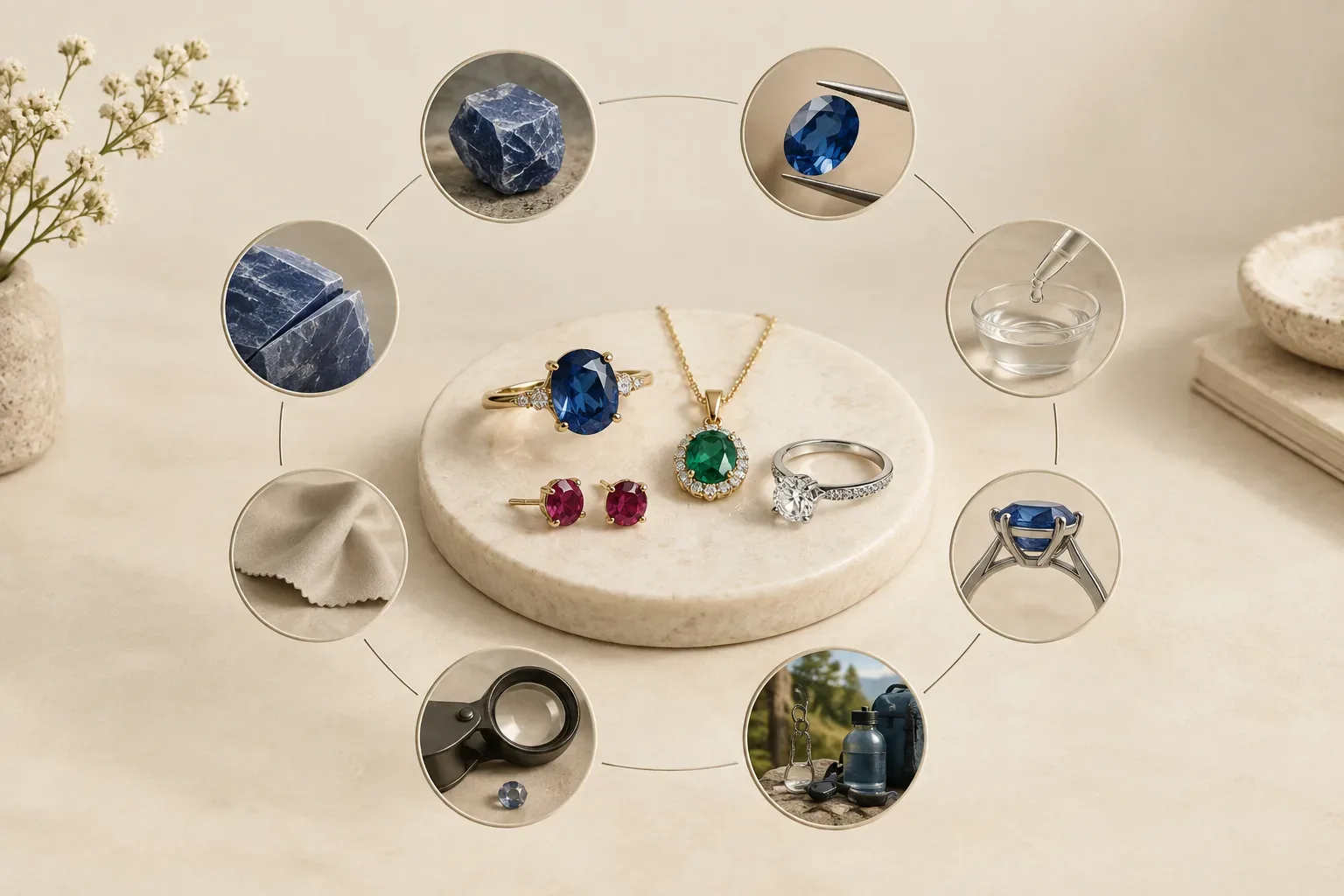
Build a daily-wear decision framework from scratch resistance, toughness, cleavage, treatment, setting protection, activity, inspection, and conservative care.
What gem experts and historical records say
Documentation about birthstones and their gemological properties comes primarily from modern gemological organizations and historical compilations. The Gemological Institute of America (GIA) provides the standard birthstone lists and scientific context used by the jewelry trade, and its educational materials describe how properties such as hardness, cleavage, and treatments affect wear. The GIA also explains how particular stones have been used and classified in different periods and markets rather than claiming a single universal tradition.
Trade and consumer-protection bodies emphasize buyer disclosure and stone treatment transparency. The U.S. Federal Trade Commission (FTC) requires truthful description and disclosure of whether a gem is natural, lab-grown, treated, or an imitation, which matters for expectations about durability and care. Jewelers of America offers practical buying and repair guidance that aligns product format and setting with intended wear and the wearer’s lifestyle.
Historical meanings versus modern personal interpretation
Historically, lists of favorable stones and month-stone associations have varied by culture and period. The GIA’s overview of birthstones traces how different lists arose and were codified in modern commercial practice; those historical lists reflect cultural preferences and trade patterns rather than a single symbolic system. Attribute historical meanings to the culture or period in question rather than treating them as universal facts.
Modern meanings attached to birthstones—for example, ideas about luck, identity, or personality—are personal and contemporary interpretations. These modern symbolic uses are valid as individual or cultural expressions but are distinct from the documented historical record described by gemological and historical sources. When writing or gifting, distinguish explicitly between documented provenance or historical uses and a buyer’s present-day sentiment.
How birthstone motifs and traditions appear in jewelry
Birthstone jewelry appears in many formats: rings, pendants, earrings, bracelets, bead strands, and pins. Jewelers select cuts, mounting styles, and finishes to balance visual effect and protection. For example, faceted round stones often appear in prong settings to maximize light return, while stones with directional cleavage or softness may be set as cabochons or in bezels to reduce exposure to impacts.
Traditional birthstone motifs—simple single-stone solitaires, cluster compositions that mix the wearer’s birthstone with accent diamonds, and personalized lockets or constellations—are common. The GIA explains how a gem’s optical and physical traits guide these design choices, and Jewelers of America’s buying guides outline typical trade formats and how they relate to wearability.
A practical daily-wear decision framework (step-by-step)
1) Start with scratch resistance. Use a gemological hardness scale as a first filter: stones with high scratch resistance are less likely to show surface wear if worn daily. The GIA provides the context for hardness and how it affects appearance over time. Choose harder stones for rings and bracelets that receive frequent knocks, and be cautious with softer gems for rings intended for daily hand-intensive tasks.
2) Evaluate toughness and cleavage. Toughness describes resistance to breakage or chipping, and cleavage describes planes where a gem can split. Some stones may be hard yet brittle; the GIA’s materials on durability explain why both properties matter for daily wear. Avoid placing stones with pronounced cleavage in exposed high-impact positions unless the setting offers strong mechanical protection.
3) Check treatments and origin disclosure. Treatments can change durability and care needs. The GIA’s guide to gem treatments and the FTC’s guidance on disclosure make clear that buyers should ask whether a stone is treated, filled, dyed, heat-treated, or lab-grown, and how that affects long-term behavior. Always obtain written disclosure from the seller about treatments.
4) Choose a protective setting. Design decisions strongly influence daily suitability. Bezel and flush settings provide edge protection and are typically safer for softer or cleavage-prone stones. Prong settings maximize light and brilliance but expose girdles and corners to impact; use secure multi-prong designs and periodic checking. GIA’s guidance on design to display details how setting choices relate to durability and wear context.
5) Match the piece to activity. Consider the wearer’s daily routine. If the recipient types, gardens, cooks, or works with tools, favor pendants, earrings, and well-protected bezel rings over exposed solitaire rings. Jewelry format matters: necklaces and earrings generally endure less mechanical stress than rings and bracelets.
6) Require inspection and plan for repair. Jewelers of America recommends routine inspection and maintenance of settings, especially for daily-wear pieces. Ask about a pre-purchase inspection schedule and a repair policy; budget for occasional tightening, rebating, or re-polishing.
7) Apply conservative care practices. Conservative care includes removing jewelry for heavy manual tasks, avoiding chemical exposure, storing pieces separately to prevent abrasion, and choosing gentle cleaning methods appropriate to the specific stone and treatment.
Specific setting advice by typical vulnerability
Hard and tough stones such as diamond and sapphire are excellent for daily rings; they perform well in prong, bezel, and cathedral settings. For stones that are hard but cleavage-prone in certain directions, or for faceted stones with vulnerable corners (for example, some topaz or tourmaline varieties), use protective prong configurations or bezel rims that shield corners.
Softer or porous gems—such as opal, pearl, amber, and some carbonate-based stones—are best in protected configurations or formats with minimal exposure to chemicals and abrasion. Cabochon cuts and bezel settings reduce the probability of chips or surface damage. The GIA’s durability principles and Jewelers of America’s repair guidance underline that setting choice compensates for natural weaknesses.
Practical selection and gifting guidance
Match the piece to the recipient’s lifestyle and expressed preferences rather than assuming every birthstone is appropriate for every format. Ask whether the wearer wants everyday jewelry versus occasional or symbolic pieces. If you cannot ask directly, choose conservative formats—pendants, easy-to-maintain earrings, and bezel-set rings—or purchase a warranty and documentation that includes treatment and care instructions.
Insist on written disclosure about treatments, origin descriptors, and whether the stone is natural, lab-grown, or an imitation, following FTC recommendations. For higher-value items, request an independent appraisal and a jeweler’s inspection schedule. Jewelers of America’s buying guides advise discussing metal choices, alternative cuts, and insurance options at purchase.
When gifting, include care instructions and suggest periodic inspections. A gift that includes a short note about proper care and the stone’s nature is both considerate and practical. If a soft or treated stone is chosen for sentimental reasons, pair it with a protective setting and a recommendation to remove it during demanding activities.
Care, inspection, and repair: maintaining daily-wear pieces
Establish a routine for inspection and cleaning based on the stone and its setting. Jewelers of America recommends regular professional checks to tighten prongs and assess wear. For cleaning, follow stone-specific guidance: some gems tolerate mild soapy water and a soft brush, while others—especially porous or fracture-filled stones—require specialist care. GIA’s treatment guidance warns that some treatments can be sensitive to heat, solvents, or ultrasonic cleaners and may need special handling.
Plan for repair and realistic longevity. Even well-chosen daily-wear pieces will require maintenance; plan for occasional re-tipping of prongs, re-polishing, or resetting after damage. Conservative wear habits—removing jewelry for manual work, showering, and swimming—are among the most reliable steps to prolong appearance and structural integrity.
Frequently asked questions
Is every birthstone suitable for daily-wear rings?
No. Suitability depends on the stone’s hardness, toughness, cleavage, and any treatments. Hard, tough stones are generally better for rings; softer, porous, or cleavage-prone gems are safer in protected settings or formats like pendants or earrings. Ask the seller about durability and recommended settings before buying.
What setting protects a birthstone best for everyday use?
Bezel and flush settings provide the most protection because they surround and shield the stone’s edges. Secure multi-prong settings can also work for harder stones if inspected regularly. The GIA recommends matching setting style to the gem’s physical vulnerabilities.
How do treatments affect whether a birthstone can be worn daily?
Treatments can alter appearance and durability and may make a gem sensitive to heat, solvents, or ultrasonic cleaning. The GIA advises asking about specific treatments and receiving disclosure; the FTC requires accurate treatment and origin disclosure at sale.
How often should I have daily-wear birthstone jewelry inspected?
Have high-use pieces inspected by a jeweler at least annually and more often if you notice looseness, wobble, or visible wear. Jewelers of America recommends routine checks to maintain setting security and to repair minor issues before they cause loss or damage.
Can I safely clean all birthstones with the same method?
No. Some gems handle mild soapy water and a soft brush well; others, especially porous or treated stones, need specialist cleaning. Verify cleaning recommendations for the specific gem and any treatments, and when in doubt, consult a professional jeweler.
Should I prioritize natural or lab-grown birthstones for daily wear?
Both natural and lab-grown gems can be durable, but you should prioritize a stone’s physical properties and treatments rather than its origin. The FTC requires sellers to disclose whether a stone is natural or lab-grown, so use that information along with durability factors to decide.
Sources and further reading
- Birthstones for Each Month — Gemological Institute of America
- Buying Gemstones, Diamonds, and Pearls — Federal Trade Commission
- Jewelry Buying Guides — Jewelers of America
- Gemstone Durability: Design to Display — Gemological Institute of America
- An Introduction to Gem Treatments — Gemological Institute of America
- Jewelry Repair — Jewelers of America