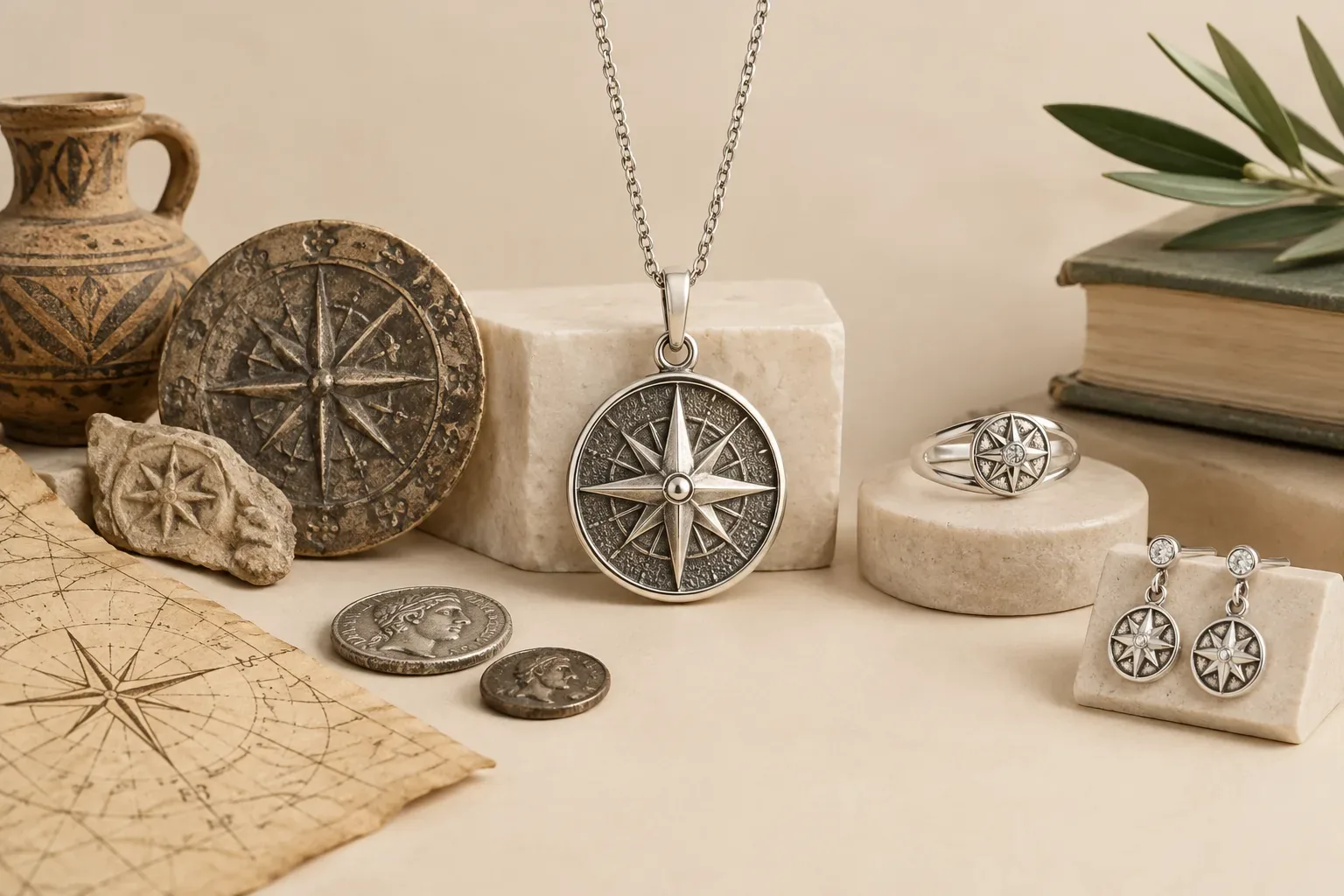
Meaning at a glance
This fine silver jewelry buying guide explains the documented history and changing contexts of silver jewelry, distinguishes verified cultural or religious meanings from later popular interpretations, and offers practical guidance for choosing, caring for, and respectfully gifting silver pieces today.
What 'fine silver' means and how it behaves
Collectors and makers use the term fine silver to indicate a high-purity silver used in jewelry, while commercial trades also use stronger silver alloys for everyday wear because pure silver is softer. When deciding what to buy, balance the look of a high-purity silver surface with the durability you need for regular wear. Ask the seller about composition, expected hardness, and expected maintenance so you can choose a piece appropriate to the wearer’s routine.
Also check for documented disclosures about surface treatments, plating, and any added finishes. The Federal Trade Commission advises consumers to request clear information about treatments, imitations, and enhancements for gemstones and other materials. That same principle applies to silver: ask whether a piece is left untouched, given an intentional patina, or plated for extra protection.
Documented history and changing contexts (by culture and period)
Museum collections and scholarship show that silver jewelry has appeared in many clearly identified cultures and periods, and that meanings and uses shifted accordingly. The Victoria and Albert Museum provides a long view of jewelry history, documenting examples from ancient societies through modern European styles and noting how social context changed the function and form of ornament. In museum descriptions you will find precise attributions connecting particular forms to the societies that made and wore them.
For example, museum records commonly link metalwork and ornament in ancient court settings to status and identity in those cultures, while later medieval and early modern European pieces are often tied to devotional practices or to visually visible markers of wealth. In the 18th and 19th centuries, pieces such as lockets and miniature portrait settings became associated with personal memory and mourning. The V&A’s surveys and catalogues connect design features to the regions and eras that produced them and emphasize that those meanings were situated within specific social practices rather than universal.
Documented meanings versus modern personal interpretations
When assessing symbolism, separate what contemporary or historical records show from what modern buyers or sellers may interpret. Museum documentation frequently identifies how a motif functioned in its original context—for example, as a class marker, a devotional emblem, or a keepsake—because provenance and contemporary records can support those claims. Rely on those documented links where available, and look to reputable museum catalogues and descriptions for precise attributions.
Modern personal, spiritual, or commercial interpretations often layer new meanings onto historical forms. These contemporary meanings can be important and personally meaningful, but they are not the same as the documented cultural or religious uses recorded by historians and museum collections. Make a deliberate decision when you buy: accept a motif’s historical context as one aspect of its meaning and treat modern interpretations as additional, personal layers rather than as direct continuations of original cultural meanings.
How motifs, gemstones, and traditions appear in silver jewelry
Motifs and traditions are expressed in jewelry through form, technique, and combination with other materials. Historic silverwork shows a range of techniques such as openwork, filigree, engraving, and surface finishing to create symbolic imagery. The same motifs are often revived or adapted in contemporary pieces; museum studies document the continuity and reinvention of specific shapes and decorations across periods.
Gemstones and colored materials are used with silver in particular ways. The Victoria and Albert Museum’s guides to gemstones explain how certain stones were favored at particular times for color, rarity, or perceived properties, and how stones were cut and set to suit the metal and the intended effect. In modern silver jewelry, gem choices and settings often mix historical reference with present-day tastes, so ask about how stones were sourced and whether any treatments, fills, or synthetic alternatives were used. The Federal Trade Commission recommends seeking full disclosure about gemstone treatments and synthetic or imitation stones, because treatment can affect value and care.
Practical selection criteria
Start by clarifying the basics with the seller: what metal and finishes were used, whether the piece was alloyed or left as a high-purity silver, whether any plating or surface coatings were applied, and whether any gemstones have been treated or substituted. Request written confirmation where possible. Transparent disclosure about composition and treatments is recommended by the Federal Trade Commission and helps you compare value across sellers.
Consider durability in light of the wearer’s lifestyle. A richly worked, high-purity silver piece may be beautiful but less suited to daily wear if the recipient is active or works with their hands. For regular use, seek pieces where the maker has chosen appropriate alloying or reinforcement, or opt for simpler forms that are easier to maintain.
Examine the craftsmanship and finish. Look for secure stone settings, even joins in chain work, and consistent surface treatment. When shopping in person, inspect how the piece moves and how clasps operate. When buying online, request multiple clear images and any available hallmarks or maker’s marks that document authenticity.
Respectful selection and gifting guidance
When a motif is drawn from a specific cultural or religious tradition, learn its documented meaning before gifting. Museum catalogues and curators at institutions such as the Victoria and Albert Museum can provide context for designs and their original uses. If a motif is deeply connected to another community’s sacred practice or identity, consider choosing a design that celebrates the aesthetic without co-opting religious symbolism, or consult with someone from the community when in doubt.
Be thoughtful about inscriptions, initials, and personalized elements. A gift that references a time, place, or personal story will be more meaningful when it matches the recipient’s identity and values. For heirloom or memorial pieces, consider durability and ease of maintenance so the object can serve its intended role across years.
Buy from reputable sellers who provide clear provenance and material disclosures. Request documentation of any gemstone treatments or synthetic materials, and consider having high-value items appraised and insured. For pieces intended as investments or family heirlooms, a written record of maker, composition, and provenance adds future value and clarity.
Care, cleaning, and long-term considerations
A gentle maintenance routine prolongs the life of silver jewelry. Store silver pieces separately to reduce abrasion, and keep them dry and away from harsh chemicals. For pieces with delicate settings or porous stones, consult the maker or a conservator before attempting any cleaning. If a maker recommends a specific finish or patina to be preserved, follow that guidance rather than polishing to a bright shine.
When gemstones are present, follow advice about each stone’s hardness and tolerance for humidity, heat, and chemicals. The V&A’s gemstone guides explain how stones were historically treated and set to work with specific metals; apply those material considerations to modern pieces as well. If you need to rescale, resize, or repair a piece, choose a maker experienced with silver to preserve the original design and finish.
Frequently asked questions
What is the difference between fine silver and other silver used in jewelry?
Fine silver refers to a higher-purity silver used for its bright, soft surface, while other commercial silvers are alloyed for greater hardness and durability. Choose higher-purity pieces for occasional wear and those alloyed for everyday use; always ask the seller about composition and intended use before buying.
How can I tell if a gemstone in a silver piece has been treated or is synthetic?
Ask the seller for full disclosure and any certification; the Federal Trade Commission advises consumers to request clear information about treatments, enhancements, and synthetic or imitation materials because those factors affect value and care.
Are historic motifs appropriate to wear or gift today?
Many historic motifs are appropriate as aesthetic choices, but you should research documented meanings using reliable museum resources and avoid appropriating symbols with active sacred or cultural functions. When a motif is closely tied to a living religious practice or community identity, consult someone knowledgeable from that community or choose a design that respects the original context.
What should I look for when buying silver jewelry in person?
Inspect craftsmanship, secure settings, and the quality of joins and closures. Request information about metal composition and any surface finishes, and look for any maker’s marks or hallmarks that document the piece. For significant purchases, ask for written disclosures and consider a professional appraisal.
How do I care for fine silver jewelry at home?
Store silver separately to avoid scratches and keep it dry and away from chemicals. Clean gently following maker guidance; for delicate stones or patinas, seek professional advice before attempting any cleaning to avoid damaging finishes or treated gems.
Is buying vintage or museum-style silver jewelry a good investment?
Vintage pieces can have historical, sentimental, or aesthetic value, but investment quality depends on provenance, condition, maker, and material disclosures. For purchases intended as investments, obtain provenance records, professional appraisals, and clear documentation of materials and any repairs.
Sources and further reading
- Bedazzled: A History of Jewellery — Victoria and Albert Museum
- An A-Z of Gemstones — Victoria and Albert Museum
- Buying Gemstones, Diamonds, and Pearls — Federal Trade Commission